
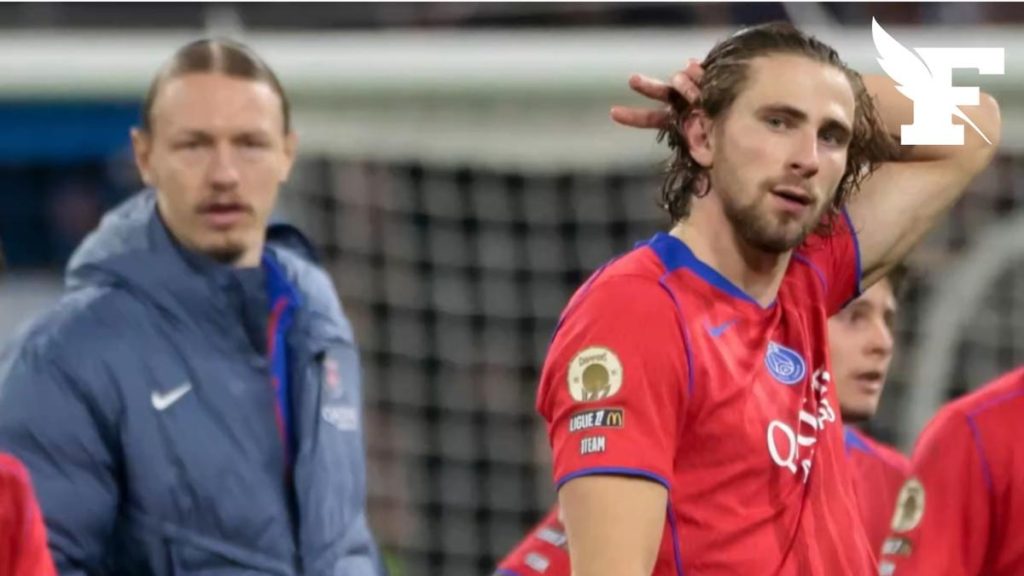
At PSG, the unique dynamic between Ukrainian defender Illia Zabarnyi and Russian goalkeeper Matvey Safonov offers a revealing glimpse into the complex intersection of football and geopolitics in 2025. With the backdrop of sustained tensions between Ukraine and Russia, the two players now share the same dressing room, embodying a scenario where sportsmanship and professionalism must navigate sensitive political waters. Zabarnyi’s measured approach, taking his time before congratulating Safonov, reflects the challenge of blending personal convictions with team spirit in one of Europe’s top football clubs. This nuanced relationship has caught the attention of fans and analysts alike, highlighting not only the players’ interaction on the pitch but also the broader implications for football match dynamics amid conflict.
Despite their countries’ ongoing discord, Zabarnyi expressed gratitude to PSG for facilitating his career progression on the international stage, emphasizing his dedication to the club’s objectives over off-field disputes. Safonov, meanwhile, finds himself in a delicate position, having to separate his identity as a player from the political currents beyond his control. Their story demonstrates how congratulations and gestures of goodwill in professional football cannot always be immediate or straightforward when broader contexts intrude. This evolving narrative at PSG poignantly illustrates the power of football not only as a sport but as a platform of cultural and political interplay.
In brief,
- Illia Zabarnyi and Matvey Safonov share a complex relationship shaped by their national backgrounds within PSG’s locker room.
- Zabarnyi prioritizes professional commitment and has cautiously approached congratulating Safonov in match settings.
- Their situation exemplifies how international conflicts influence player interaction and team dynamics in football.
- PSG’s handling of this delicate coexistence underscores the club’s role in managing sensitive political undertones while maintaining team spirit.
- This context sheds light on the challenges of celebrating success and sportsmanship amid ongoing geopolitical tension.
Illia Zabarnyi’s Careful Approach to Congratulating Safonov at PSG
The arrival of Illia Zabarnyi at PSG introduced a rare mix of nationalities to the squad, with the defender’s Ukrainian heritage standing against the backdrop of Matvey Safonov’s Russian roots. This juxtaposition meant that their relationship transcended simple player interaction typical of professional football teams. During a recent football match at San Mamés against Athletic Bilbao, Zabarnyi made his debut alongside Safonov, a moment long anticipated by fans eager to witness how these contrasting backgrounds would translate into on-pitch cooperation.
While Zabarnyi did not rush to offer immediate congratulations to Safonov for his spectacular saves and contributions in the match, his restraint was a sign of the complex emotions at play. Rather than a display of rivalry or hostility, Zabarnyi’s delay highlights a multifaceted perspective where professional respect is tempered by sensitive geopolitical realities. Such dynamics at PSG invite reflection on how players overcome personal and political challenges to maintain cohesive team spirit.

Balancing Professionalism and Political Tension in Team Celebrations
The balancing act between professionalism and political tension has shaped Zagreb and Safonov’s coexistence within PSG. The defender’s public acknowledgment of his gratitude towards PSG underscores his focus on career development and football excellence. However, the act of offering congratulations is loaded with symbolic weight in this context—speaking volumes about the deeper narrative present whenever these two athletes meet on the field.
PSG’s management has reportedly taken careful steps to address these sensitivities within the squad, ensuring that every member understands the delicate nature of Zabarnyi and Safonov’s interactions. This behind-the-scenes approach demonstrates how football clubs in 2025 must navigate not only athletic challenges but also broader societal issues. Their evolving story challenges assumptions about sportsmanship and how it is defined when global conflicts echo into locker rooms.
Impact of the Zabarnyi-Safonov Relationship on PSG’s Team Spirit
The presence of Illia Zabarnyi and Matvey Safonov within PSG epitomizes the ongoing tension between personal convictions and collective team harmony. Their relationship influences locker room communication, on-field coordination, and public perceptions of the club. As the defender patiently navigates the path towards open celebration of Safonov’s achievements, the broader PSG fanbase grapples with appreciating the delicate interplay of football and global politics.
This scenario bears important implications for fans and analysts, who observe how international conflicts permeate even the most competitive sports arenas. Zabarnyi and Safonov’s story illustrates that beyond the thrilling moments of spectacular saves and tactical brilliance — such as those highlighted by Safonov in recent games — lies a nuanced fabric of emotional and political undercurrents requiring careful management and empathy.
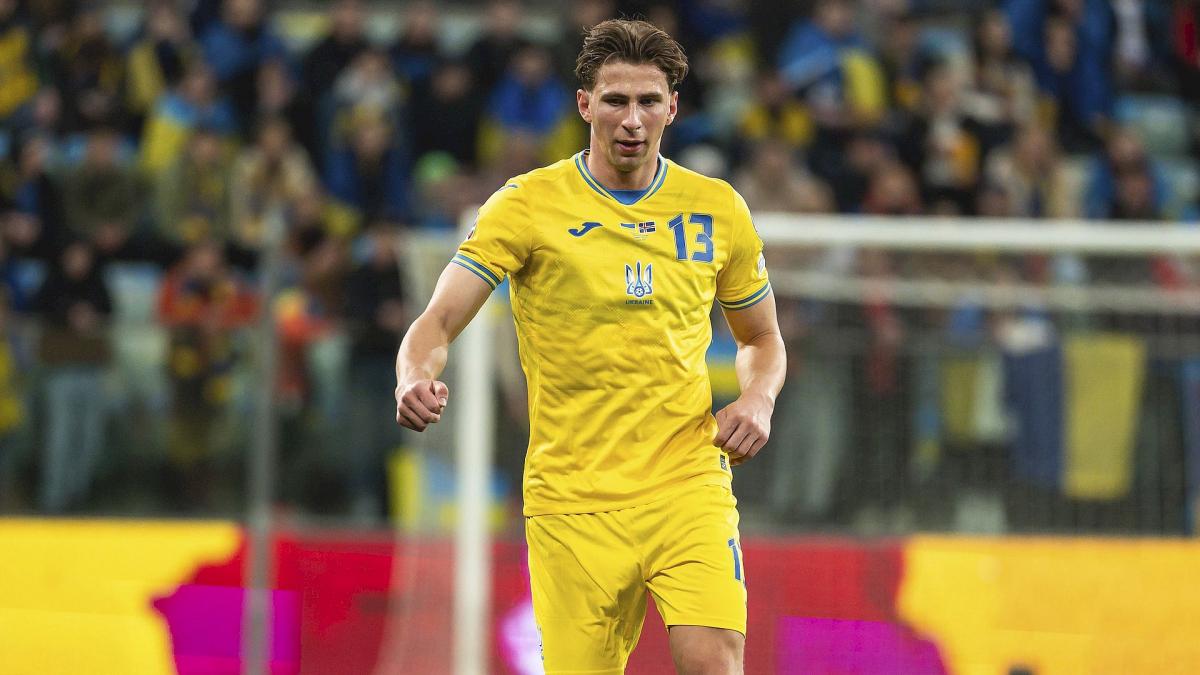
Lessons for Football Clubs Managing Sensitive Player Dynamics
PSG’s handling of the Zabarnyi-Safonov situation reflects a broader trend of clubs confronting the realities of modern player rosters encompassing diverse national backgrounds during times of tension. The integration of players from countries with conflicted relations requires clear communication, sensitive protocols, and a commitment to uphold sportsmanship and professional respect.
Playmakers and defenders alike must learn to balance their emotions with the demands of high-level competition. For Zabarnyi and Safonov, navigating this balance has meant delaying certain gestures of congratulations without diminishing mutual respect on the pitch. Their story underscores the evolving role football clubs play not only in sports but as microcosms of international relations — a reality that signals new challenges and opportunities for the beautiful game.
In parallel, PSG continues to build on its reputation shaped by sporting excellence and strategic player development, as seen in other areas such as club strategies around key transfers or addressing fan dynamics. The dialogue around Zabarnyi and Safonov thus fits within the larger narrative of how football adapts to the contemporary socio-political stage.