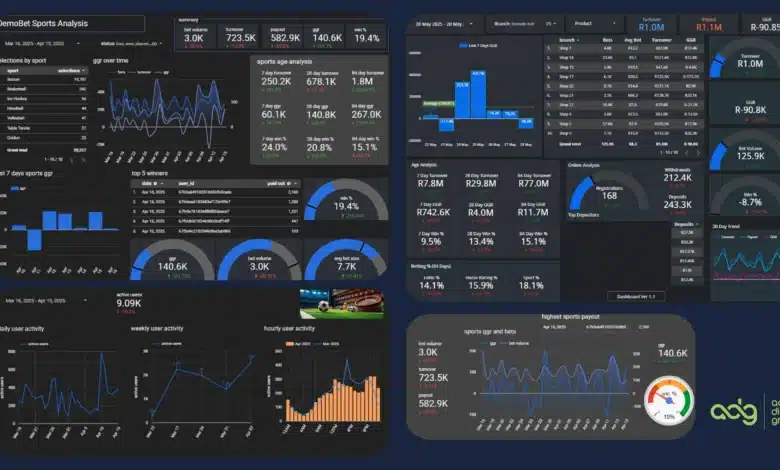
In the rapidly evolving world of sports betting, relying on mere intuition has become a thing of the past. The advent of predictive models, fueled by sophisticated data analytics, is revolutionizing how bets are placed and decisions are made. From the dynamic odds offered by giants like DraftKings and William Hill to the cutting-edge platforms such as FanDuel and Betfair, bettors now harness vast datasets to sharpen their strategies. These models analyze everything from historical performance patterns and player statistics to real-time game conditions, enabling a more calculated approach that outperforms luck. As sportsbook operators integrate advanced machine learning algorithms and cloud computing, the betting landscape transforms into a battlefield of numbers and probabilities, where predictive accuracy can dictate success. With platforms like Canadian Casino showcasing the potent impact of this integration, the question remains: do predictive models truly work for betting, and to what extent can they tip the scales in favor of the bettor?
In brief:
Predictive models are at the core of modern sports betting strategies, transforming chances into informed calculations.
They integrate historical data, player and team stats, and in-game metrics for sharper forecasts.
Top betting platforms like Bet365 and Pinnacle utilize these models for dynamic odds and responsive betting environments.
Machine learning techniques such as regression and classification improve outcome predictions.
Real-time analytics empower bettors to adapt strategies during live matches.
Leveraging big data and cloud infrastructure ensures scalability and fast computations.
Personalization through behavioral analysis makes betting more user-focused and engaging.
The growing integration of AI and immersive technologies hints at an increasingly sophisticated future in sports betting.
How Predictive Analytics Redefine Betting Odds and Strategies
The traditional art of placing sports bets has undergone a seismic shift thanks to predictive analytics. Betting odds today represent far more than subjective likelihoods; they are precise calculations derived from complex mathematical foundations. Bookmakers working with platforms like Smarkets and SBTech incorporate extensive historical datasets encompassing team histories, player forms, and game context. By using statistical models that analyze these factors, they generate odds that mirror real-world probabilities with remarkable consistency.
Sportsbooks such as Genius Sports leverage this data-driven approach to regularly adjust lines, often moments before game events change. This methodical transformation from raw sports data into predictive outcomes allows bettors a glimpse into the intricate science behind odds setting.

Building a Winning Betting Model with Data Science
Constructing an effective betting model demands more than intuition — it requires rigorous data analysis and a mastery of predictive modelling. By harnessing tools like regression analysis and classification algorithms, bettors can calculate probabilities that often offer value surpassing bookmaker odds. For instance, platforms such as Betfair and Sporttrade provide interfaces that allow users to develop personalized models that tap into both historical trends and immediate game variables.
Machine learning enhances these models by recognizing hidden patterns and adapting to evolving game dynamics. Such models don’t just predict the final outcomes; they also forecast nuances like momentum shifts or injury impacts, delivering a strategic edge over guesswork.
Leveraging Real-Time Data: The Power of In-Play Betting
One of the most transformative advances in betting is real-time analytics, especially for live or in-play wagering. Platforms like DraftKings and FanDuel harness predictive models to constantly update odds based on live events—whether a sudden goal, substitution, or a weather shift—emulating the game’s ebbs and flows.
This dynamic updating enables bettors to recalibrate their wagers instantly, seizing opportunities as momentum sways or managing risk during volatile moments. By integrating reinforcement learning, models can simulate optimal betting strategies in this fluid environment, making live betting a highly strategic endeavor rather than a shot in the dark.
Personalizing Predictions to Suit the Bettor
Modern predictive frameworks don’t just regurgitate data—they tailor insights to individual users, enhancing the betting experience. By analyzing past betting behaviors, systems can notify bettors about upcoming opportunities aligned with their preferences, as seen on platforms like Pinnacle and William Hill. Gamified dashboards and scenario simulations help users grasp complex statistics intuitively, fostering more confident and informed wagering decisions.
The Backbone of Predictive Betting: Big Data and Advanced Computing
At the heart of these advanced predictive systems lies the integration of big data and cloud computing. Aggregating immense volumes of player stats, game outcomes, and contextual information allows for comprehensive modeling that can adjust in milliseconds. Cloud platforms provide the scalable infrastructure essential to support the analytics demands of thousands of simultaneous users on sites like Bet365.
This infrastructure not only empowers sportsbooks to generate accurate odds swiftly but also enables bettors to access real-time insights without lag—crucial for an edge in a fast-paced industry where seconds can mean the difference between profit and loss.