

Researching teams and players effectively has become more crucial than ever in the sporting world, especially with the explosion of data-informed sports analysis by outlets such as ESPN, Sports Illustrated, and The Athletic. Whether you are an analyst, bettor, or coach, understanding how to gather and interpret detailed information can transform your ability to assess performance and predict outcomes. From the dynamics of team cohesion to individual player statistics, this guide explores multifaceted approaches to uncovering what truly influences sports success and player potential in 2025’s data-rich environment.
In brief:
- Interdisciplinary collaboration among analysts from different backgrounds enriches player and team assessment.
- Using behavioral traits and team dynamics alongside raw statistics provides a complete picture of performance.
- Setting clear expectations and delegation within research teams enhances data collection quality and insight generation.
- Leveraging technology and data sources such as WhoScored and Transfermarkt boosts the accuracy of player evaluations.
- Staying current with sports news and trends from platforms like CBS Sports and Yahoo Sports informs timely analytics and betting strategies.
Building a Cohesive and Diverse Research Team for Sports Analysis
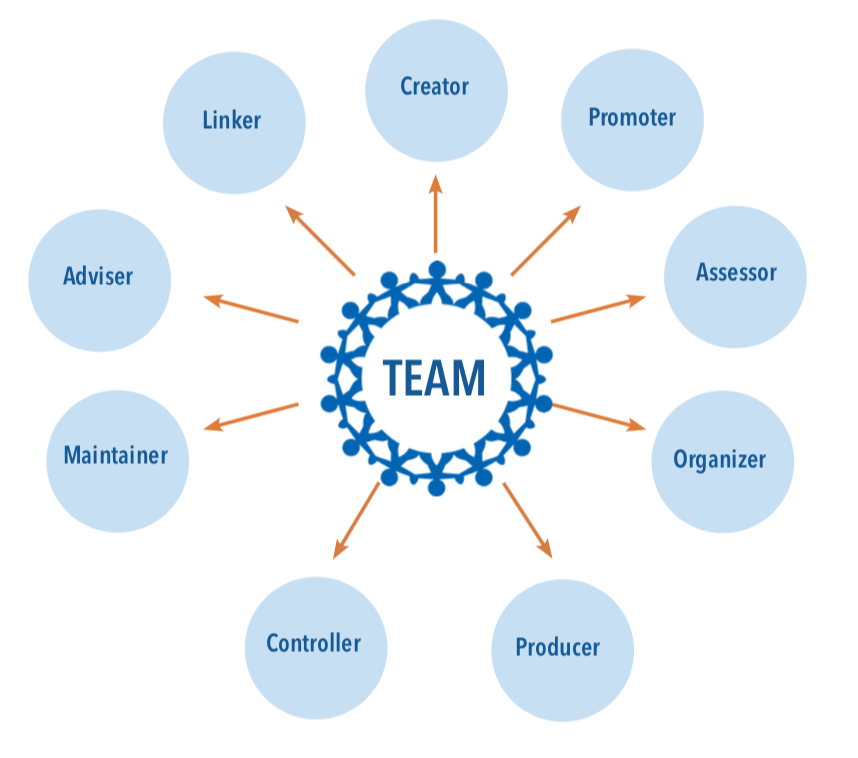
Success in researching teams and players begins with assembling a dedicated, skilled research team. A strong research unit is composed of people with varying expertise—ranging from data scientists, statisticians, and behavioral analysts to sports journalists. Diversity in disciplinary backgrounds promotes a richer analysis and avoids narrow viewpoints. For instance, combining insights from performance analytics seen on data analytics platforms with scouting expertise helps give a more nuanced view of player and team potential.
Moreover, remote collaboration has become prevalent in 2025, linking members across institutions and countries. This dynamic necessitates establishing clear communication channels and defined roles to harness each member’s strengths effectively. Research teams that understand these variables consistently develop a more comprehensive understanding of the sports landscapes they study, resulting in higher quality predictions and commentary.
Setting Clear Expectations and Empowering Through Delegation
Within research teams, delineating responsibilities and setting transparent performance standards is indispensable for optimum functioning. Leaders must ensure every individual clearly understands their roles, deadlines, and reporting requirements. Motivating staff includes recognizing their contributions and assigning challenging projects that promote skill growth, fostering enthusiasm and ownership of research outcomes.
Delegation is not simply task assignment; it empowers team members to exercise judgment and problem-solving, leading to more engaged professionals. A manager who adeptly balances responsibility and oversight, while offering regular constructive feedback, cultivates a proactive environment conducive to innovation.
Integrating Data Analytics for Player and Team Evaluation
Advancements in analytic tools and data sources revolutionize how teams and players are evaluated. Platforms such as WhoScored and Transfermarkt provide detailed player statistics, transfer histories, and performance metrics. Incorporating these with dynamic sports news from CBS Sports or Fox Sports keeps analysts abreast of contextual factors like injuries or morale shifts that numbers alone cannot reveal.
Data-driven insights into player form and team synergy enable more precise forecasts, especially when combined with qualitative information. For instance, knowing a player’s recent form from evaluation models can considerably impact betting markets and tactical decisions. Sports fans and bettors increasingly rely on a hybrid approach, blending statistics with real-world nuances to gain an edge.
Effective Collaboration and Communication in Sports Research Teams
Collaborative synergy is the bedrock of successful research. Ensuring all team members are engaged in decision-making creates a shared sense of purpose and accountability. Continuous communication via scheduled updates, meetings, and informal check-ins ensures that challenges are addressed promptly and insights flow seamlessly. The role of leadership is pivotal to nurture this culture and prevent conflicts or misunderstandings.
A collaborative team is also better equipped to spot betting value opportunities by cross-verifying findings and keeping pace with fast-evolving information—from player transfers to tactical shifts. Integrating insights from sports media giants such as Bleacher Report and The Athletic into research discussions sharpens the team’s analytical edge.
Applying Insights to Sports Betting and Performance Prediction
With the vast amounts of data available, applying research to practical contexts like sports betting demands critical understanding of betting markets and strategic nuance. Resources like profitable betting strategies and value betting opportunities intersect directly with the output of research teams. Combining statistics from Rotoworld and real-time updates from Yahoo Sports helps bettors and analysts anticipate fluctuations in odds and player impact.
Furthermore, differentiating between ‘luck’ and skill in sports outcomes, elaborated in specialized studies, refines predictive models. Teams that integrate these insights can influence betting markets significantly and guide stakeholders toward smarter decisions.