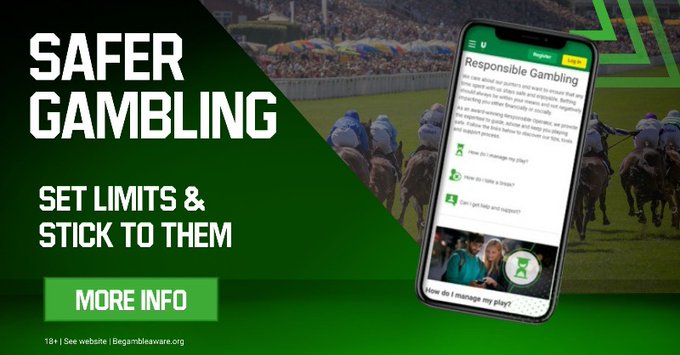
Problem gambling in sports is a hidden trap that can silently consume enthusiasts, turning excitement into a source of stress and financial strain. In 2025, with the explosion of online betting platforms and fast-paced wagering formats, acknowledging the risks and arming yourself with effective strategies has never been more crucial. Understanding the psychological triggers that fuel the urge to bet excessively is the first step toward regaining control, transforming your engagement with sports into a responsible, enjoyable pastime rather than a gamble that threatens your wellbeing.
In brief: Recognizing problem gambling involves honest self-reflection on behaviors and triggers; managing impulses through mindfulness and alternative activities is key; reaching out to support networks like Gamblers Anonymous or GambleAware enhances recovery chances; embracing technological tools such as BetBlocker and seeking professional help from organizations like the National Council on Problem Gambling provide structured support; finally, shifting focus to hobbies and mindfulness practice fortifies resilience against relapse.
Recognizing the early signs of problem gambling in sports
Sports betting is thrilling, yet its borderline addictive nature can escalate from harmless fun to a disruptive compulsion. The challenge lies in identifying behaviors that signal a shift toward problem gambling before it leads to severe consequences. Questions such as whether you consistently bet beyond your means, chase losses, or experience guilt and anxiety because of betting are red flags. Approximately one percent of adults in the U.S. face severe gambling problems, a figure that has grown with the widespread accessibility of online betting platforms. Understanding these indicators empowers you to act promptly.

Addressing these concerns promptly can prevent progression toward dependency. Additionally, if sports events trigger overwhelming urges to bet, recognizing these patterns helps one develop targeted strategies for avoidance and self-control, which is essential in maintaining a healthy relationship with sports betting.
Understanding behavioral triggers and impulse control challenges
Studies reveal that individuals struggling with gambling addiction often face issues with impulse control and patience, making it difficult to resist betting urges. The instant gratification sought through quick bets contrasts sharply with the delayed rewards in responsible gaming. Techniques such as mindfulness meditation and cognitive behavioral therapy offer practical tools to help manage impulses by increasing awareness of triggers and fostering emotional regulation.
Engaging in such therapeutic practices not only alleviates the immediate compulsion but also lays a foundation for long-term behavioral changes critical to sustained recovery.
Proactive strategies to curb sports betting problems
Combating problem gambling requires a consistent and multifaceted approach. One powerful tactic is to replace the urge to gamble with alternative activities that engage your mind and time effectively. Simple diversions like crossword puzzles or mobile gaming apps offer healthy distractions that satisfy the need for stimulation without financial risk.

Further, establishing small achievable goals each day nurtures a sense of accomplishment that can reduce reliance on gambling for excitement. Remember, setbacks are part of the journey—approach them with patience. Sharing your challenges openly with friends or support groups like Smart Gambling creates a network of encouragement that dispels stigma and fuels motivation.
Utilizing technology and support networks to maintain control
Innovative tools like BetBlocker enable users to self-limit access to gambling platforms, directly curtailing opportunities to place impulsive bets. Meanwhile, professional organizations such as GambleAware and Gambling Therapy provide resources, counseling, and personalized strategies tailored to individual needs, making professional help accessible and effective.
Engaging in recovery communities, like those offered by Gamblers Anonymous, connects individuals with those facing similar struggles, fostering collective resilience and accountability.
Healthy mindset and lifestyle changes to prevent relapse
Adopting hobbies, restarting old passions, or setting new personal targets in fitness or learning can replace the ritualistic nature of gambling. These activities create positive routines that reinforce self-worth and mental wellbeing, key factors in preventing relapse. Maintaining a gratitude journal or practicing relaxation techniques such as yoga can further reduce stress, a common trigger for gambling urges.
Equally important is understanding that chasing losses—an urge to win back what was lost—almost always leads to deeper financial troubles. Retaining this perspective encourages responsible wagering decisions and discourages harmful betting cycles.
Monitoring mental health and seeking help early
Gambling problems often intertwine with mental health challenges like anxiety and depression. Recognizing the signs and seeking timely support through programs provided by the Responsible Gambling Council or GamCare can interrupt this destructive cycle. Continuous self-assessment and openness to professional guidance transform recovery into a manageable journey rather than an insurmountable obstacle.
Remember, the strength to overcome problem gambling comes not only from within but also from leveraging the vast array of resources and community support available in 2025, turning the tide from risk to responsibility in your sports betting experience.