

In the evolving landscape of football, the transfer market has transcended the traditional boundaries of scouting and performance analysis to incorporate the potent influence of social media. Today’s football transfers are no longer determined solely by a player’s skills on the pitch but also by their presence and engagement in the digital sphere. This convergence of athletics and online influence has transformed how clubs approach player scouting, negotiations, and brand development, ultimately reshaping the dynamics of the transfer market worldwide.
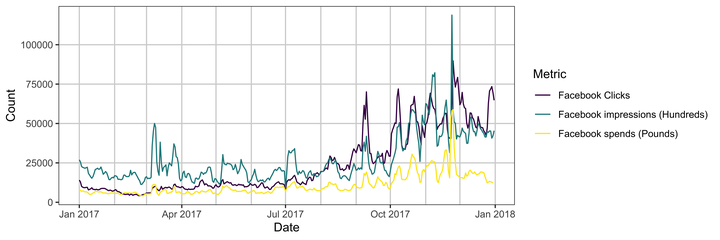
Key points to consider in 2026: social media platforms like Instagram, TikTok, X, and YouTube have become vital tools for players and clubs alike to amplify their reach. A player’s digital footprint can significantly enhance their market value, attracting sponsors and expanding global fanbases. Transfer rumors increasingly note social media metrics such as follower counts and engagement rates alongside traditional athletic evaluations. The integration of sports marketing strategies into football transfers reflects a broader shift toward digital communication and fan interaction as core components of club strategy.
Social Media’s Transformative Role in Football Transfers and Player Valuation
The presence of footballers on social media directly influences their perceived value in the transfer market. High-profile players with massive followings, such as Cristiano Ronaldo who boasts over 600 million Instagram followers, exemplify how a digital audience can eclipse the combined fanbase of entire football clubs. This omnipresence off the pitch contributes to a player’s overall worth, making it essential for clubs to consider online engagement as part of their recruitment strategies.
For clubs, signing a star player already celebrated on social platforms often results in immediate commercial benefits, including increased merchandise sales and sponsorship deals. This pattern has been notably observed following transfers like Ronaldo’s move to Juventus, which triggered a surge in the club’s digital and retail footprint. Sports marketing professionals emphasize that such transfers are strategic moves to capture new markets and boost a club’s brand image globally, especially in emerging leagues such as the Saudi Pro League or the Qatar Stars League.
Integrating Digital Communication into Player Scouting and Negotiation
The collaboration between sporting and marketing departments has become more pronounced as clubs acknowledge the intertwined nature of on-field performance and off-field image. Premier League clubs, for example, meticulously evaluate not only skill sets but also a player’s ability to resonate with international audiences. This fusion of sport and branding means agents now highlight digital reach as a significant bargaining chip in transfer negotiations, influencing contract terms related to image rights and commercial bonuses.
Online engagement statistics such as follower count, interaction rates, and global audience demographics are becoming standard metrics during transfer conversations. This shift is mirrored in other football markets, where clubs consider a player’s social media influence as a means of expanding their fanbase in key regions, including Asia and the United States, complementing the traditional criteria of athletic ability. For a more detailed look at how sports marketing intertwines with transfers, clubs often reference specialized analyses available through platforms that research teams and players comprehensively.
The Double-Edged Sword of Digital Fame in Modern Football
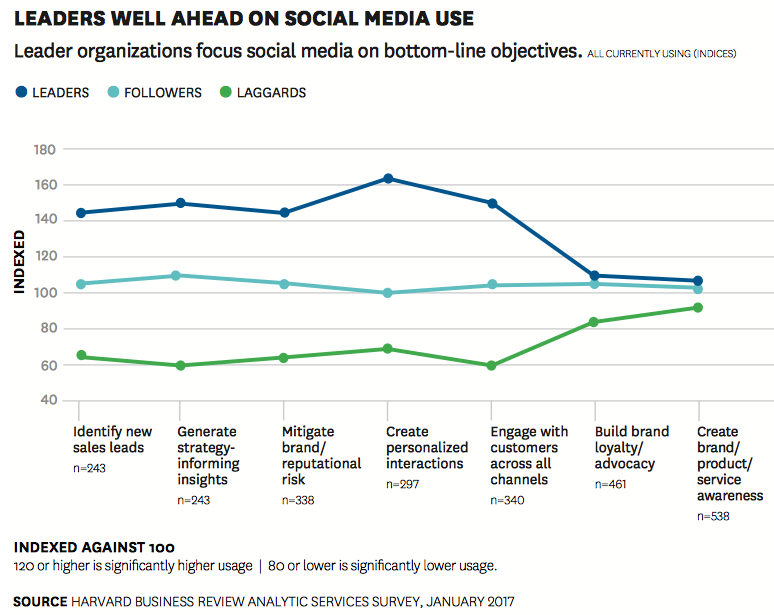
While the digital sphere offers opportunities to enhance player value, it also introduces risks. Overvaluation based on a player’s social media aura without corresponding sporting performance has led to cautionary examples in recent transfer windows. Young talents face immense pressure managing their personal brand alongside their football development, with missteps potentially harming both their careers and their clubs’ reputations.
Effective digital communication and personal branding require professional guidance, as the landscape grows increasingly complex. Clubs monitor potential recruits’ social media activity to assess their personality and off-pitch fit, aligning with team culture and values. Nonetheless, the core attributes that define a player’s value remain their skills, physical prowess, and mentality—a sentiment echoed by industry experts who estimate digital factors influence market valuation by approximately 10% to 20%.
Embracing the Future: The Footballer as Athlete and Communicator
The footballer of today must navigate both competitive play and strategic communication, often aided by specialists in personal branding. Clubs, too, are adapting by leveraging social media’s reach to support their growth without compromising sporting integrity. The transfer market now incorporates digital engagement as an influential variable, not decisive alone but crucial in an environment where exposure and connection reinforce a club’s commercial and sporting aspirations.
As online communities increasingly demand players take stances on social and political issues, the interplay between football and the digital public sphere grows more complex. This dual role requires careful management to sustain a player’s appeal and marketability while preserving their focus on footballing excellence. Exploring this evolution raises questions about whether future transfers will weigh audience and image as heavily as talent on the pitch—a balance football clubs must master to thrive in the digital age.
For continual updates on major transfer movements and how clubs balance sports marketing with player acquisitions, explore profiles such as the latest Juventus signing news or the transfer budget strategies at Tottenham. Investigate detailed insights on player scouting and digital communication that underpin transfer decisions today. The intersection of fan interaction and football transfers is also well-documented through platforms highlighting defender transfers between major leagues and emerging market trends. Lastly, a nuanced perspective on transfer dynamics can be gathered from analyses of Olympique de Marseille’s recent transfer moves, reflecting the contemporary balance clubs seek between athletic potential and commercial appeal.