
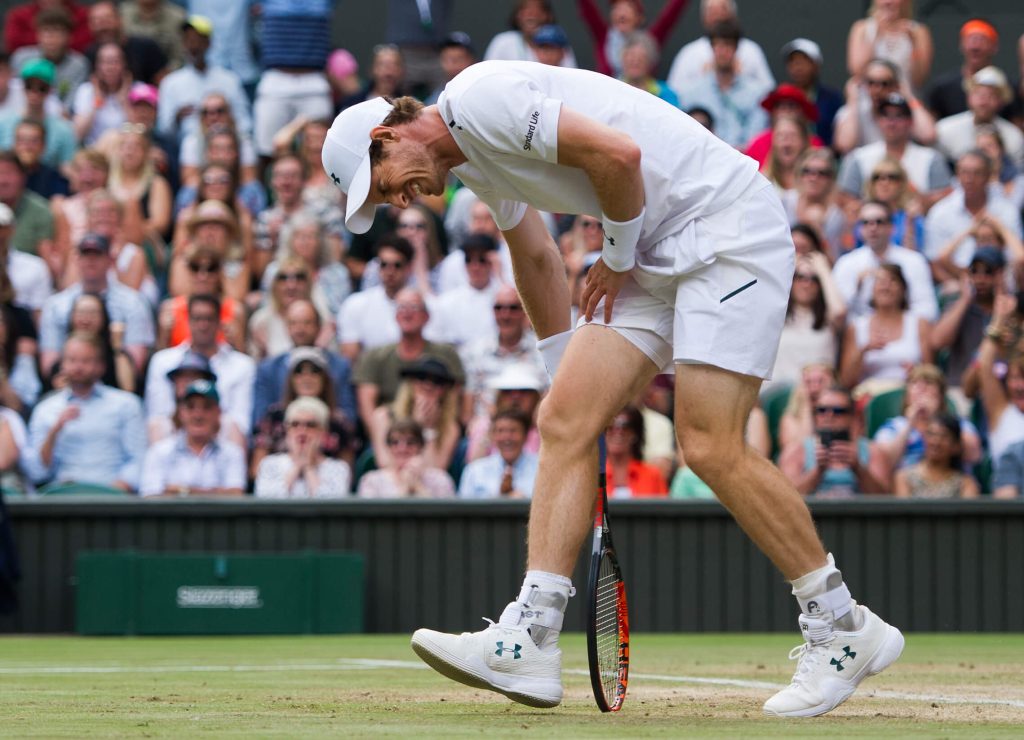
Player injuries stand as a pivotal yet often underestimated factor in shaping tennis betting outcomes. As the sport progresses into 2025 with heightened athleticism and competitive intensity, bettors face the challenge of integrating a player’s physical condition into their wagering strategies. The physical toll of professional tennis, characterized by rigorous schedules and demanding play styles, leaves athletes susceptible to injuries—from subtle strains to severe ruptures—that can decisively shift match dynamics and betting odds. Recognizing how these injuries influence not just immediate match performance but also longer-term player resilience is essential for betting enthusiasts aiming to outmaneuver bookmakers at platforms such as Pinnacle, Unibet, or Betfair.
In the highly scrutinized world of tennis wagering, injury analysis goes beyond mere acknowledgment—it’s about decoding subtle physical signals and historical patterns that hint at performance dips or recovery phases. While high-profile player withdrawals invariably cause dramatic odds swings on sites like Bet365 and William Hill, less conspicuous fitness concerns might be overlooked by casual bettors, leaving opportunities for savvy gamblers to gain an edge. From understanding the implications of a wrist sprain on serve power to the mental hesitation following a long-term knee injury, this comprehensive grasp of injuries can demystify betting volatility and unlock value bets, boosting both confidence and returns in a sport that continues to captivate millions globally.
How Player Injuries Influence Tennis Betting Odds and Outcomes
In 2025, the link between player injuries and betting market movements is clearer than ever. Various injury types, such as rotator cuff strains and tennis elbow, substantially degrade key performance metrics like serve velocity and shot precision, which bettors must factor into their predictions. For example, a wrist sprain can cause up to a 30% reduction in serve power, directly lowering a player’s chances against aggressive servers. These physical limitations propagate through to betting odds, as bookmakers at platforms like Betway and FanDuel adjust lines to reflect diminished probabilities.
Moreover, the recovery timeline from injuries adds a complex layering. While mild injuries might only sideline a player briefly, serious lesions such as tendon ruptures introduce extended recovery periods that can span several months, with corresponding performance drops between 15% and 25% in the initial matches post-return. This correlation is particularly evident in hard court events, where the physical demand exacerbates recovery difficulties, necessitating bettors to be astute about match scheduling and individual fatigue levels. Observing coaching decisions regarding tournament participation can provide prescient insights into player readiness, information that bookmakers might incorporate only after market adjustments.
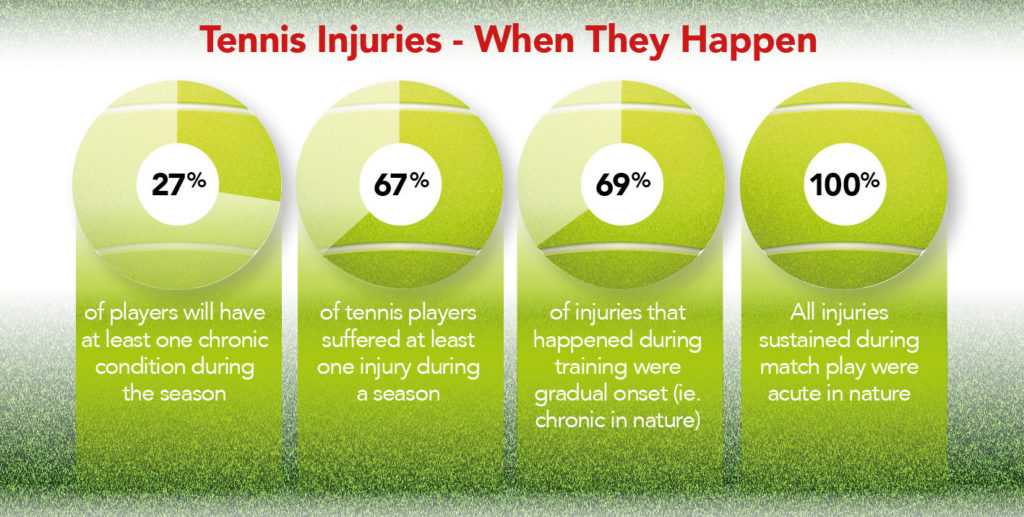
Decoding Injury Reports and Medical Updates in Tennis
Interpreting player health reports requires a nuanced understanding of medical terminology and implicit cues. Terms like “day-to-day” often mask underlying fitness concerns, while “week-to-week” signifies a more cautious prognosis. Recognizing these subtleties enables bettors to anticipate changes before official confirmations. For instance, inflammation and minor strains usually indicate temporary setbacks whereas descriptions involving “tears” or “ruptures” invariably mean deeper issues with extended downtime. Platforms linked to tennis betting such as Ladbrokes and DraftKings can exhibit notable line swings following such reports, offering strategic betting windows to informed punters.
Beyond terminology, the interplay of physical and psychological factors significantly impacts player performance post-injury. Rehabilitation influences muscle memory and movement confidence, often resulting in conservative play styles during critical match points, altering the usual risk profile that bettors expect. This dynamic underscores the importance of tracking not only the medical details but also player behavioral shifts, particularly on surfaces that challenge mobility and endurance.
Integrating Injury Analysis into Tennis Betting Strategies
Successful betting on tennis in the current landscape requires a sophisticated approach where injury data is systematically combined with traditional performance metrics. Bettors who consistently excel scrutinize historical injury patterns alongside real-time health updates and match conditions to uncover potential undervalued wagers. This methodology is especially potent when combined with insights from betting systems and market trends on popular betting platforms like Unibet and Bet365.
Timing bets around injury announcements delivers significant advantage. Markets often face volatility immediately after reports, and well-timed wagers placed either shortly after breaking news or just before final fitness assessments can yield superior odds. Moreover, diversifying bet types—including in-play and set betting options—based on player fitness profiles further mitigates risk. Tracking rehabilitation stages also enables bettors to discern when a player may be vulnerable, thereby crafting a more resilient betting portfolio that anticipates both immediate and longitudinal injury impacts.

Historical Impact of Injuries on Match Outcomes and Betting Patterns
Data from recent seasons demonstrate predictable patterns in player performance post-injury that savvy bettors exploit. Players recovering from shoulder injuries tend to underperform in serve reliability during the first three matches, whereas knee injury returns are linked to a higher likelihood of match retirements rather than immediate deficits. These nuances highlight the necessity of integrating injury timelines into predictive models that inform wagers placed on platforms such as William Hill or Pinnacle.
Moreover, the stage of the tournament plays a significant role in market sensitivity. Grand Slam events, with their best-of-five sets format, often see bookmakers exercise greater caution in adjusting odds, compared to the more volatile shifts evident in ATP 250 or 500 series matches. This differential behavior creates tailored opportunities for bettors versed in the nuances of injury effects relative to tournament prestige and format variations.