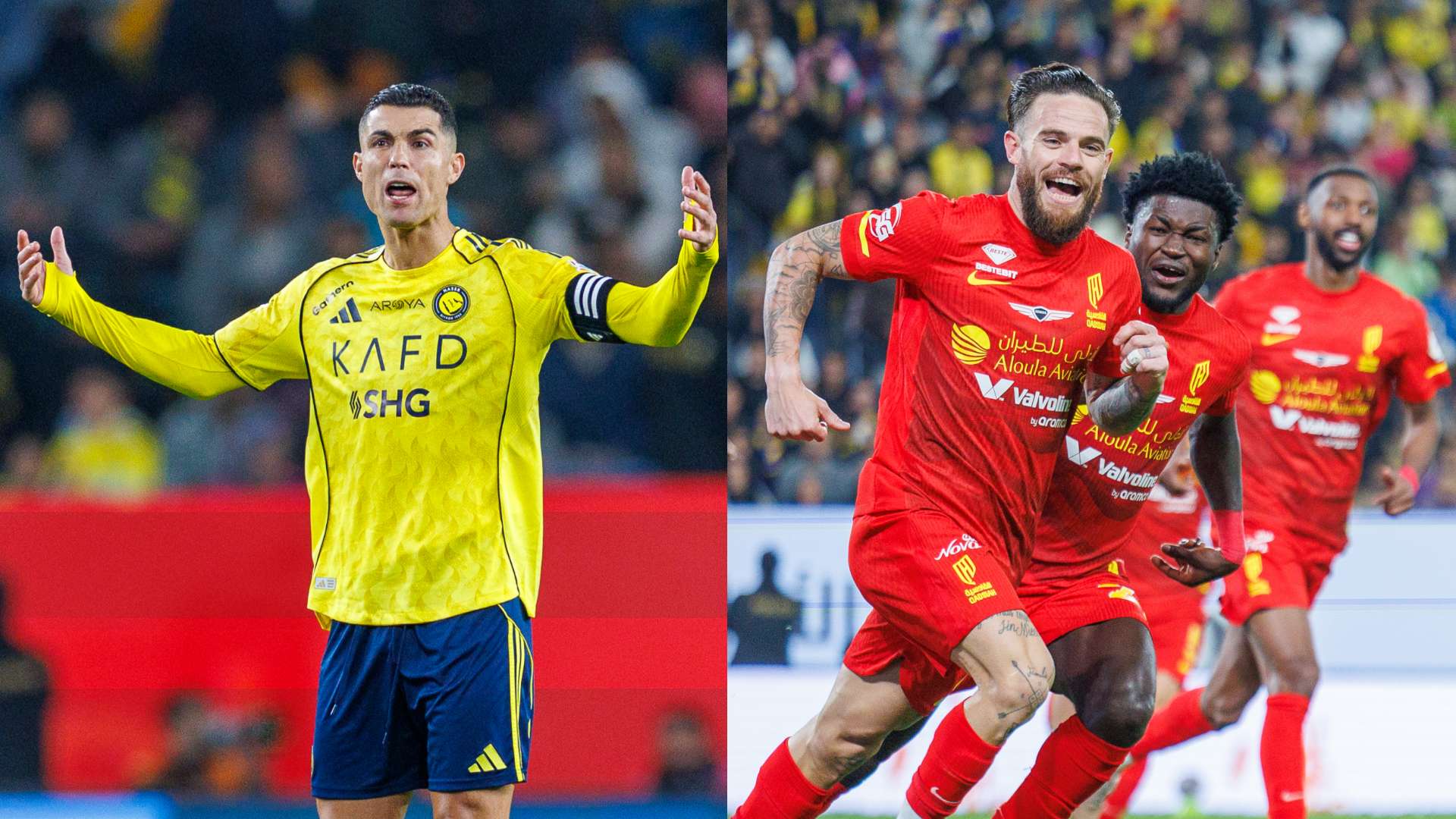
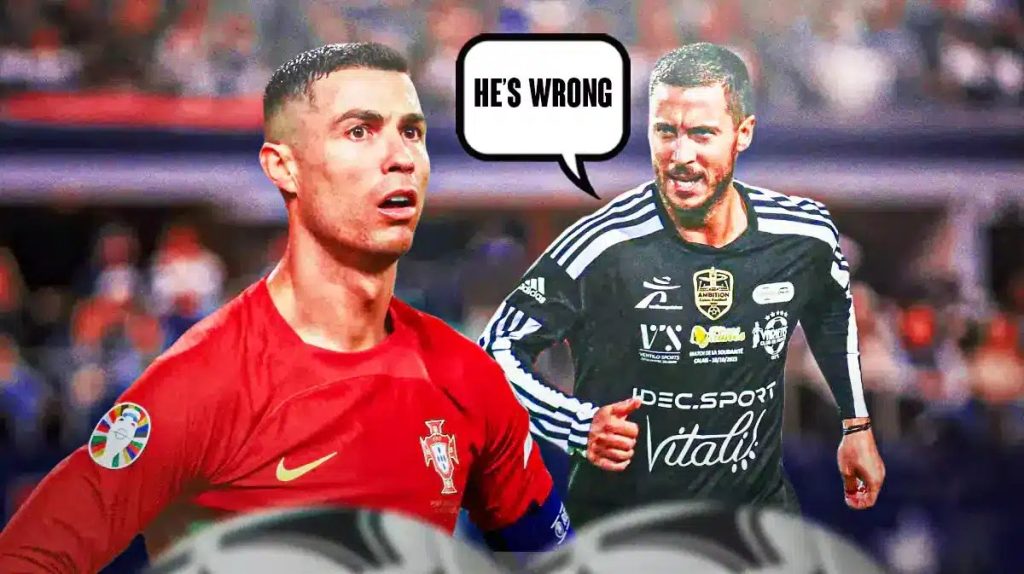
Saudi Pro League finds itself at the heart of a controversy surrounding one of its biggest stars, Cristiano Ronaldo, whose recent refusal to participate in matches has sparked a fierce reaction from the league. The legendary forward, despite being paid an astonishing €200 million annually and attending all training sessions, has elected not to play in league matches since the departure of Karim Benzema from Al-Ittihad to Al-Hilal. This unexpected player criticism and passive resistance have led the league to issue a pointed statement, emphasizing the independence and competitive balance among its clubs.
The tension escalated notably after Ronaldo sat out the recent match against Al Riyadh and is poised to skip the much-anticipated clash with his former club Al-Ittihad. Al-Nassr’s social media message praising Ronaldo’s leadership and commitment on his birthday only amplified public speculation, coming despite his ongoing game boycott. Further sources close to Ronaldo revealed that his dissatisfaction extends beyond Benzema’s transfer, highlighting concerns over the club’s operational and financial support that allegedly favored rival Al-Hilal, a claim ardently denied by the Saudi Public Investment Fund (PIF).
Saudi Pro League’s Response to Ronaldo’s Absence and Allegations
The league swiftly countered with a robust league statement, asserting that each club operates independently with its own board and management, abiding by strict financial regulations aimed at maintaining a healthy and competitive environment. The statement underscored that recruitment and budget decisions fall solely within each club’s discretion, dismissing claims of preferential treatment influenced by the sovereign wealth fund.
Highlighting the fiercely competitive nature of the Saudi Pro League, the league pointed to the narrow point gaps separating the top teams as evidence of a well-balanced contest. This messaging not only reasserts the league’s commitment to fair competition but also implicitly challenges Ronaldo’s public criticism. The Saudi Pro League’s firm stance serves as a direct response to Ronaldo’s Ronaldo response and the growing sports news storm enveloping one of football’s greatest figures.
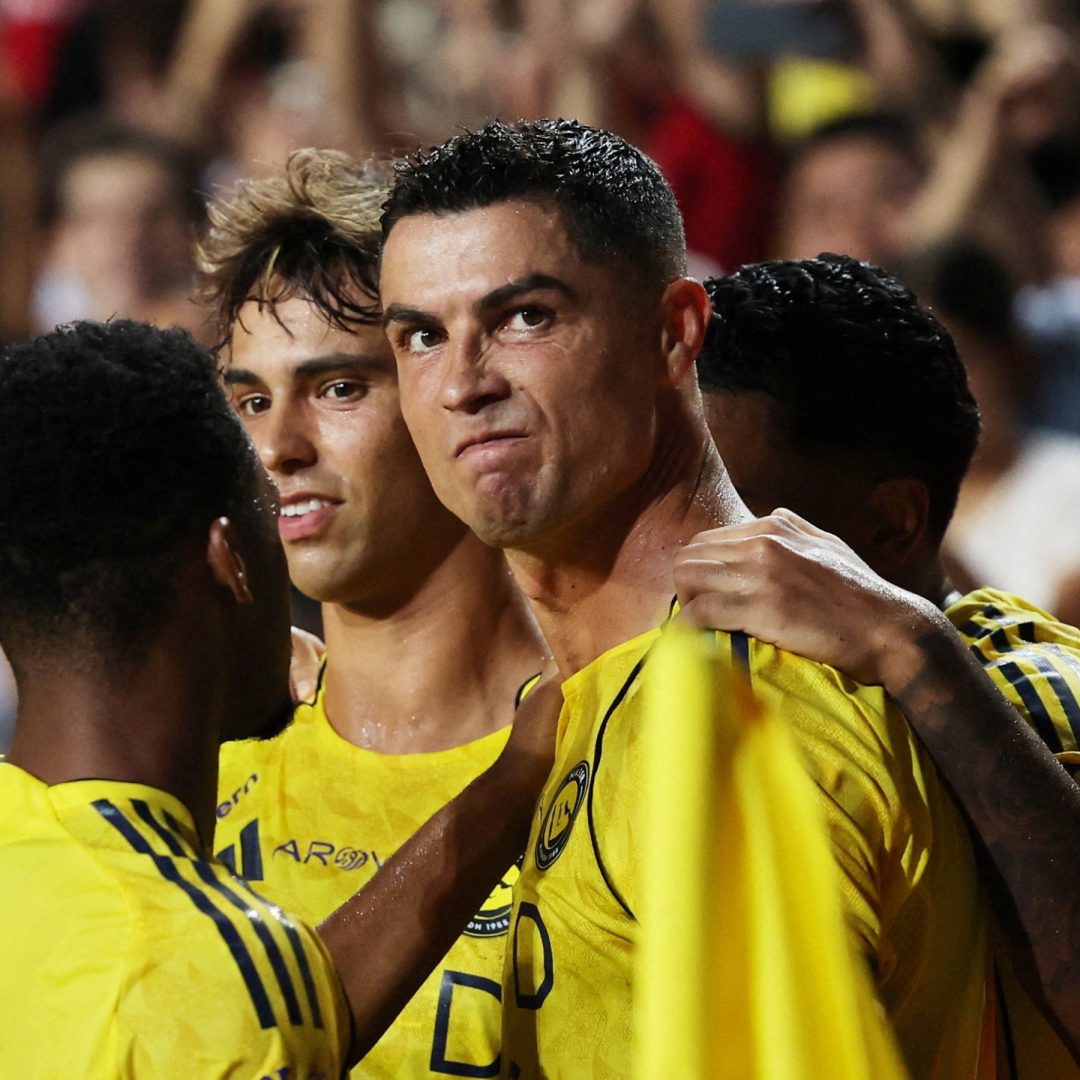
Understanding the Dynamics Behind Ronaldo’s Boycott
At 41, Ronaldo’s decision to abstain from playing while staying engaged in training sessions is a nuanced form of protest rarely seen at the elite level of soccer. His frustration, reportedly fueled by internal disagreements and perceived lack of adequate support compared to Benzema’s club Al-Hilal, raises critical questions about player management and club politics within the burgeoning league.
While the world watches, Al-Nassr appears to be taking a measured approach, publicly supporting their marquee player despite his non-participation, contrasting with the league’s overt defense of institutional integrity. This unfolding saga has captivated fans and analysts alike, with many drawing parallels to other instances of player-club discord in football history—such as the tension around transfers that have shaken up teams like Barcelona or Real Madrid in recent seasons. For more context on such dynamics, one might examine recent developments like the football transfer saga at Barcelona or the bold decisions made by Real Madrid.
The Impact on Football and the Saudi League’s Image
This high-profile discord risks casting a shadow over the Saudi Pro League just as it aims to solidify its status on the global football map. The league’s transparent governance model, emphasizing equality and financial sustainability, contrasts sharply with the ongoing media narratives fueled by Ronaldo’s actions and the resulting public debate.
Amid this, the league’s statement serves a dual purpose: reinforcing its principles while navigating the delicate balance between managing superstar egos and preserving competitive fairness. The outcome of this confrontation will likely influence not only Ronaldo’s legacy within the league but also set a precedent for handling similar disputes in one of the world’s fastest-growing football markets.