

Real Madrid, one of the most prestigious sports organizations worldwide, currently confronts serious allegations of workplace harassment. These claims arise from Itziar González, a former nutritionist at the club during the 2023/2024 season, who has publicly accused the club’s medical staff of creating a hostile work environment. Her statements reveal significant misconduct, pointing toward a toxic team culture within the Real Madrid workplace. Despite her positive relationships with players such as Rodrygo and Dani Carvajal, and acknowledgment of her professional achievements from the club’s president, Florentino Pérez, González describes ongoing harassment that undermined her capacity to perform her duties effectively. An official investigation has been initiated to examine these workplace harassment allegations, highlighting complex dynamics between the club’s medical team and other personnel responsible for player care.
Recent disclosures emphasize problematic behavior by certain staff that contradict acceptable standards of conduct, raising urgent questions about the Real Madrid work environment and accountability mechanisms within high-profile sports teams. In such a demanding athletic context where excellence is paramount, employee misconduct not only jeopardizes individual well-being but can also deteriorate organizational integrity and performance. The case at Real Madrid thus transcends isolated accusations, touching on institutional values and the need for transparent, respectful professional relations. This situation also follows broader concerns in sport regarding sexual harassment and abuse of power, making the club’s handling of these claims a focal point for the perception of fairness and ethical standards in European football.
Unveiling the Workplace Harassment Allegations Against Real Madrid’s Medical Staff
Itziar González’s accusations detail a systematic disregard for her professional advice as a sports nutrition expert. She exposed that food preparation and dietary supplements, crucial to players’ health, were deliberately altered or ignored by the club’s staff, constituting a form of workplace harassment. Instances include the kitchen staff serving industrial pastries instead of the recommended meals, while medical professionals advised players to ignore González’s guidance and withheld critical health information that might have affected nutrition plans or medical treatments. Moreover, derogatory remarks and exclusionary behavior in staff communication channels such as WhatsApp groups highlighted a persistent pattern of employee mistreatment within the team’s work environment.
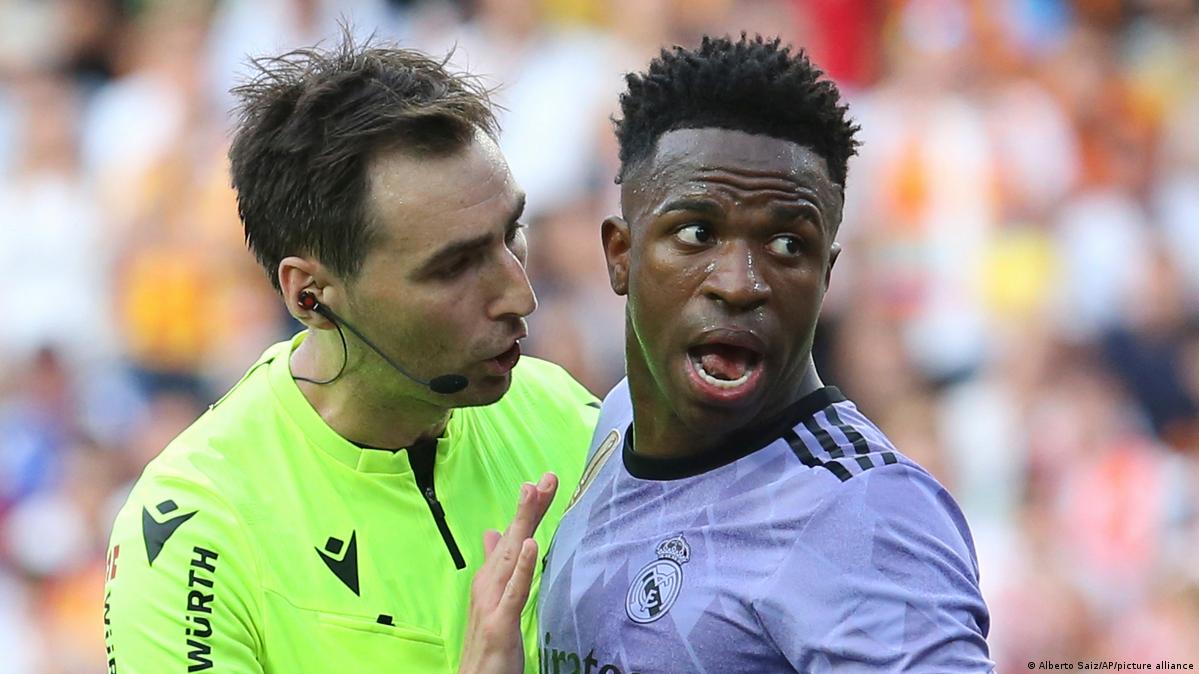
Such misconduct not only compromises the well-being of the players but reflects negatively on the standards expected from a top-tier club. Crucially, González maintains that her rapport with players and Florentino Pérez remains intact, which indicates the harassment originates primarily from certain medical and support staff. This exposes critical flaws within the internal culture that could have broader consequences if unaddressed. The ongoing investigation aims to clarify these accusations and reinforce protocols around harassment claims in elite sports contexts, ensuring a safer and more respectful work environment for all employees.
Impact on Team Culture and Institutional Trust in Real Madrid
The revelations surrounding workplace harassment touch deeply on the institutional values that underpin Real Madrid’s success. A healthy team culture relies on mutual respect, clear communication, and collaboration across all staff sectors to foster peak athletic performance and innovation. The alleged employee misconduct disrupts this harmony, risking both short-term disruption in team operations and long-term reputational damage. External observers and fans are increasingly attentive to how sports organizations manage such sensitive issues, underscoring the importance of transparent investigations and consequent reforms.
In light of these allegations, the Real Madrid case serves as a critical example of challenges faced by large sports entities navigating complex interpersonal dynamics and hierarchical power structures. As scrutiny intensifies, the management’s response and the evolution of workplace policies will be instrumental in reshaping perceptions about the club and ensuring compliance with broader ethical standards throughout professional football.

Broader Context: Harassment Claims in the World of Professional Football
Workplace harassment within sports teams is not an isolated phenomenon but part of wider ongoing concerns in professional football. Clubs often struggle to balance competitive pressures with maintaining a supportive work environment, which can lead to toxic situations if unchecked. Allegations similar to those against Real Madrid’s medical staff have surfaced in various teams across Europe, demanding greater accountability and establishment of protective frameworks to safeguard employees and athletes alike.
The emergence of such claims also sparks discussions on how sports organizations must prioritize mental health and worker rights amidst immense commercial and athletic demands. Real Madrid’s case, therefore, resonates beyond Spain and serves as a catalyst for reform conversations across sports categories globally, encouraging transparency, ethical conduct, and enhanced vigilance against sexual harassment and employee misconduct.
The Role of Investigations in Promoting Safer Sports Workplaces
Official probes into harassment claims play a pivotal role in reshaping team culture and reinforcing employee protections. The investigation into Real Madrid is expected to scrutinize the extent of the alleged misconduct, identify responsible parties, and recommend corrective measures. Such efforts are essential to rebuild trust within the organization and with the public, ensuring that no individual suffers abuse or discrimination in pursuit of sporting excellence.
Importantly, the outcome will influence how clubs across football leverage internal policies, training, and leadership accountability to cultivate positive work environments. Embracing rigorous investigations not only addresses immediate grievances but sets a precedent, emphasizing zero tolerance for harassment in all forms within sport.