
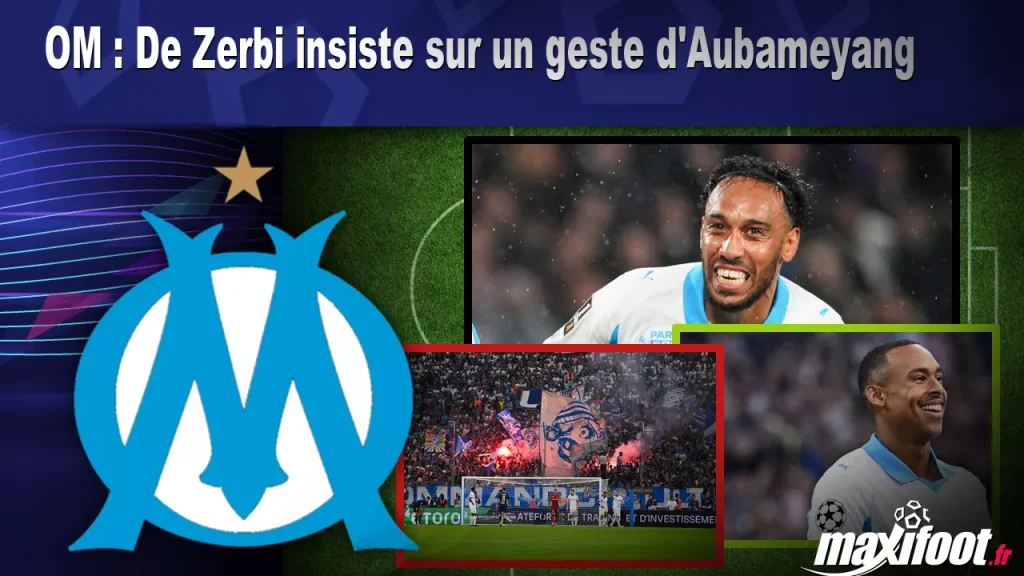
The clash between PSG and OM recently reignited discussions around the dynamics of French football, especially focusing on a curious moment involving Aubameyang. The match, which ended in a dramatic penalty shootout, showcased moments of brilliance but also tactical decisions that left fans and analysts speculating. De Zerbi, the OM coach, recently shed light on why his experienced striker missed the penalty shootout practice, clarifying that it was a strategic choice rather than an oversight or conflict. This explanation offers an insight into the management style within the intense atmosphere of a high-stakes football match in 2026, and how players’ readiness and condition play a central role in lineup and penalty choices.
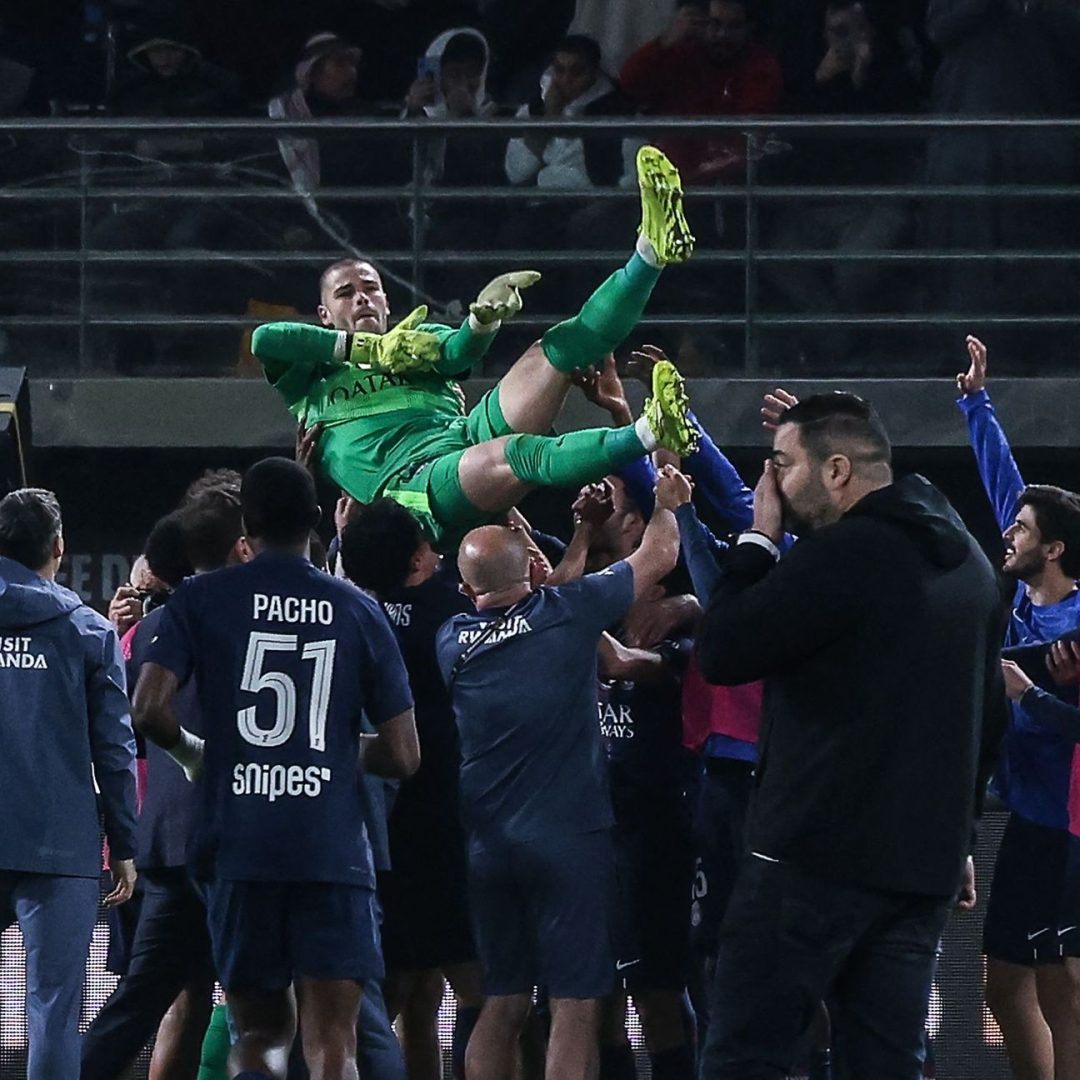
The penalty shootout was particularly notable, as Aubameyang, who entered the field in the 67th minute, did not take the first shot, contrary to common expectations and his usual role in previous teams. Instead, Matt O’Riley stepped up initially. De Zerbi explained that forcing a player in such high-pressure moments is not his approach, and that Aubameyang had never taken the first penalty in his past experiences. The coach also revealed tactical substitutions, such as replacing Mason Greenwood late in the game due to an injury, which consequently affected the penalty lineup. These revelations underline the fluid nature of decision-making during matches and highlight how unforeseen circumstances like injuries influence team strategy, especially for penalty shootouts.
De Zerbi’s Tactical Approach Explains Aubameyang’s Role in the Match Against PSG
During the course of the match, which ended 2-2 before the penalty showdown, strategic decisions by De Zerbi became a talking point. Opting to keep senior players like Aubameyang fresh for critical moments rather than imposing predetermined roles showcases De Zerbi’s adaptable management. His understanding of each player’s preferences and strengths aligns with a modern approach to coaching where psychological comfort and physical readiness are prioritized. The decision not to have Aubameyang take the first penalty reflects trust in teammates like O’Riley and adaptability under pressure.

The Impact of Substitutions and Injuries on Penalty Shootout Decisions
The unexpected injury to Mason Greenwood late in the game forced De Zerbi to adjust his squad hastily. Greenwood’s injury led to O’Riley coming on, who was then asked to participate in the shootout. This disruption changed the team’s dynamics and explains why the penalty order differed from typical patterns. It also reflects the broader challenges teams face in maintaining composure and strategic clarity amid the fast-changing conditions of a football match. Such moments can dramatically influence the outcome of games and the confidence players have during penalty shootouts.
Understanding De Zerbi’s Philosophy on Player Management During High-Pressure Moments
De Zerbi’s approach to player management, especially in scenarios like penalty shootouts, centers around respect for individual readiness rather than rigid system enforcement. This method fosters a trusting atmosphere where players feel supported rather than pressured, acknowledging their routines and previous experiences. In today’s competitive football landscape, particularly evident in high-profile matches like PSG vs OM, this philosophy helps balance team cohesion with individual confidence, often proving essential for successful outcomes.
This perspective resonates with wider trends in global football where psychological aspects of the game have gained prominence alongside physical and tactical preparation. In games as intense as a French Ligue 1 classic, such nuances can turn the tide. Considering the historical rivalry and financial disparities between PSG and OM, De Zerbi’s decisions highlight nuanced leadership that aims to manage these pressures pragmatically without magnifying anxieties among key players like Aubameyang.
Why Player Preferences Matter in Penalty Shootout Practice
The choice of who takes penalties—especially the first shot—is profoundly psychological. De Zerbi’s clarification that Aubameyang “has never taken first” underlines how respecting player history and preference shaped the penalty approach. Making such decisions clear to the public helps build understanding that not all choices are intuitive but often stem from players’ past experiences and mental comfort.
Moreover, this openness contributes positively to how fans, analysts, and players interpret post-match decisions, contrasting with typical speculation or misinformation. It further emphasizes that a football match is a complex interplay between tactical frameworks and individual psychology tightly woven under the spotlight of national and international attention. Insights like these provide rich context to a memorable football episode involving two of France’s biggest clubs.
For those interested in broader sports dynamics and betting trends, analysis such as on weather impact on sports odds or underdogs’ surprises in cup competitions can draw parallels with unpredictabilities in matches such as PSG vs OM. These nuances enhance appreciation of coaching decisions like those by De Zerbi, revealing layered strategic thinking beyond the pitch.