
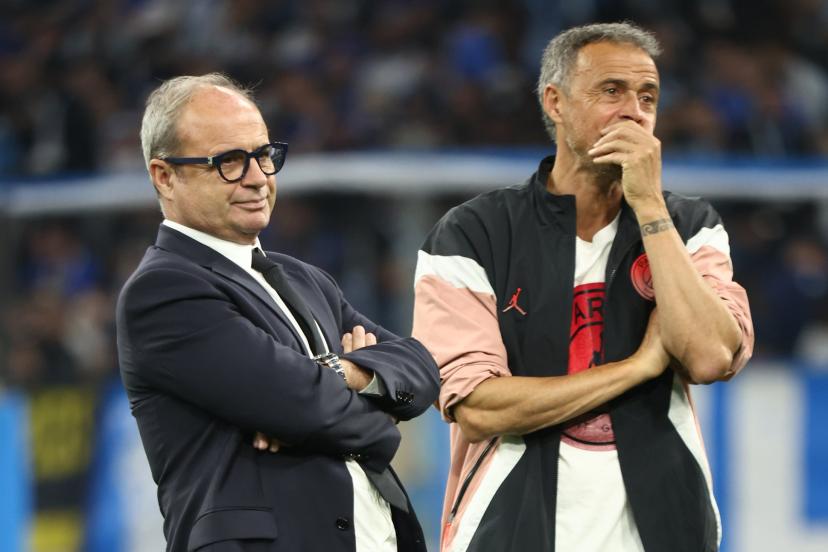
PSG’s evolution under the stewardship of Luis Campos and Luis Enrique marks a definitive shift from a star-centric approach to a collective and sustainable football vision. Since QSI’s ownership began in 2011, the Parisian club has been synonymous with glamorous signings, but the recent changes indicate a deeper, more strategic transformation. With the departure of Kylian Mbappé and the advent of Luis Enrique’s leadership on the sideline, the PSG project now emphasizes a tighter squad cohesion, rigorous competitiveness, and a commitment to nurturing youth talent. This new era has already yielded impressive results, notably the coveted UEFA Champions League title secured in the previous season, a dream long pursued by the club.
Against this backdrop, Luis Campos, PSG’s influential sports director, has offered substantial clarity on the evolving strategy and the club’s future direction. Campos, renowned for his adeptness in club management and talent spotting, highlighted the unwavering support from president Nasser Al-Khelaïfi, which has been pivotal in executing this vision. Emphasizing a philosophy grounded in internal competitiveness and adherence to financial fair play, Campos explained that victory is fundamentally achieved through consistent performance rather than merchandising success. This meritocratic environment ensures that only the best players earn their place on the field, reinforcing team unity and strength.
- A Renewed Focus on Team Building and Player Development – Luis Campos stresses that Luis Enrique fosters an atmosphere where young players from PSG’s academy receive genuine opportunities to prove themselves, far beyond token appearances. This aligns with a broader club vision that aims to integrate regional talents into the youth setup, ensuring that promising athletes are nurtured responsibly and systematically.
- Strategy Beyond Transfers – The PSG blueprint goes beyond high-profile signings; it prioritizes sustainable squad construction and tactical coherence. In doing so, the club respects financial constraints while striving for competitive excellence.
- Legacy and Identity – Building on the magic and reputation cultivated in the past, PSG’s current approach seeks to consolidate its position as a leading global football institution by focusing on substance over spectacle.
PSG’s Strategic Shift Highlighted by Luis Campos
In recent years, PSG has deliberately transformed its football philosophy, departing from a flashy, star-studded ensemble towards a cohesive and hardworking team unit. Luis Campos, whose reputation in football circles is linked to his expertise in transfer policy and team building, described this transition as both necessary and fruitful. He acknowledged that the foundations laid by past achievements empowered the club to embrace this fresh direction under robust leadership. The emphasis is now placed on assembling a squad capable of winning points consistently throughout the season rather than relying on marquee names alone. This shift is seen as essential for the club’s long-term viability within the stringent financial fair play guidelines.
The approach taken by the coaching staff, spearheaded by Luis Enrique, is notably strict yet fair, focusing solely on meritocracy. Players understand that their performance in daily training dictates their inclusion in the lineup, fostering healthy internal competition. Such dynamics improve overall squad quality and readiness, a principle Luis Campos considers indispensable for sustained success in both domestic and European competitions. This strategic recalibration has not only enhanced PSG’s competitiveness but also positioned it as an inspiring model of club vision in modern football.
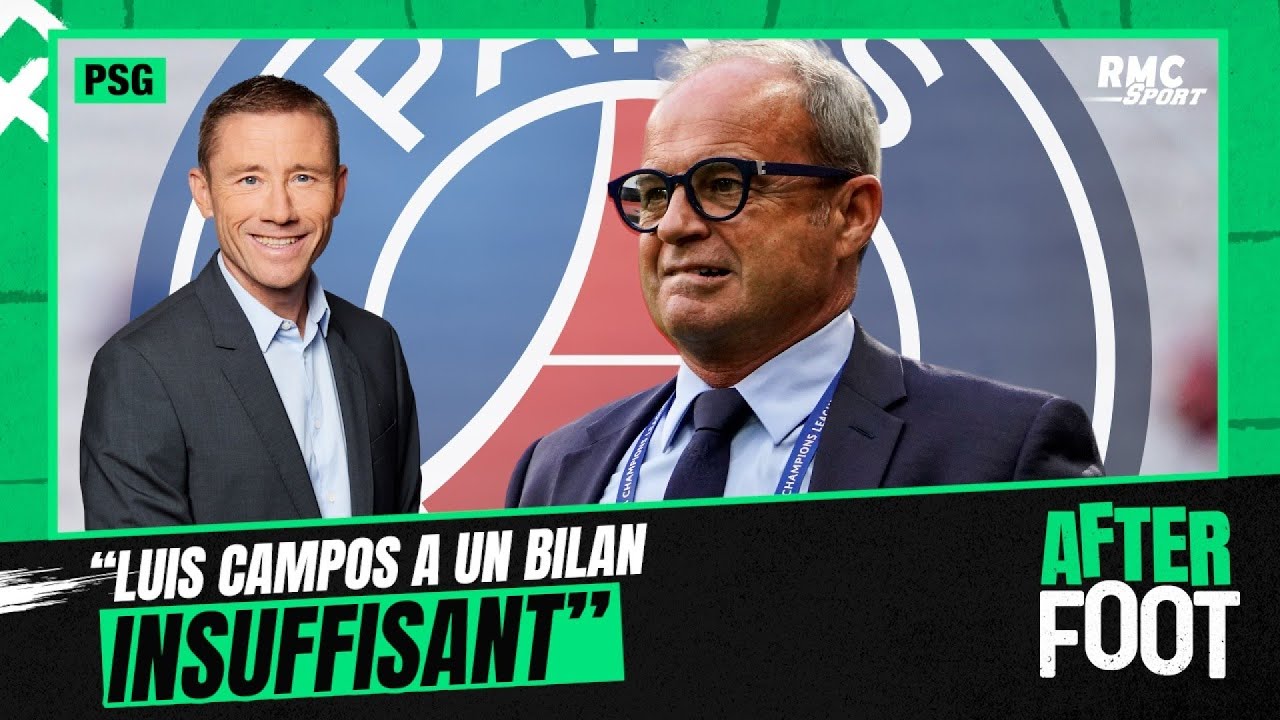
Commitment to Youth Integration and Regional Talent Recruitment
Fundamental to PSG’s renewed project is the clear integration of young talents from the club’s academy and the broader Paris region. Luis Campos emphasized the club’s dedication to providing substantial playing time to youth prospects under Luis Enrique’s guidance, contrasting with the typical practice of minimal, symbolic substitutions. This commitment sends a strong message to aspiring footballers: PSG remains accessible for those demonstrating exceptional ability and dedication.
Moreover, PSG actively scouts the Parisian metropolitan area to recruit the best young players, ensuring that local talents are not lost to rival clubs. This policy reflects a forward-thinking club management strategy that views youth development as integral to maintaining PSG’s competitive edge and securing its legacy. As these young athletes evolve within the PSG system, they are expected to embody the club’s ethos and elevate the overall team performance, ultimately fueling long-term success.
How Luis Enrique and Luis Campos Shape PSG’s Club Vision
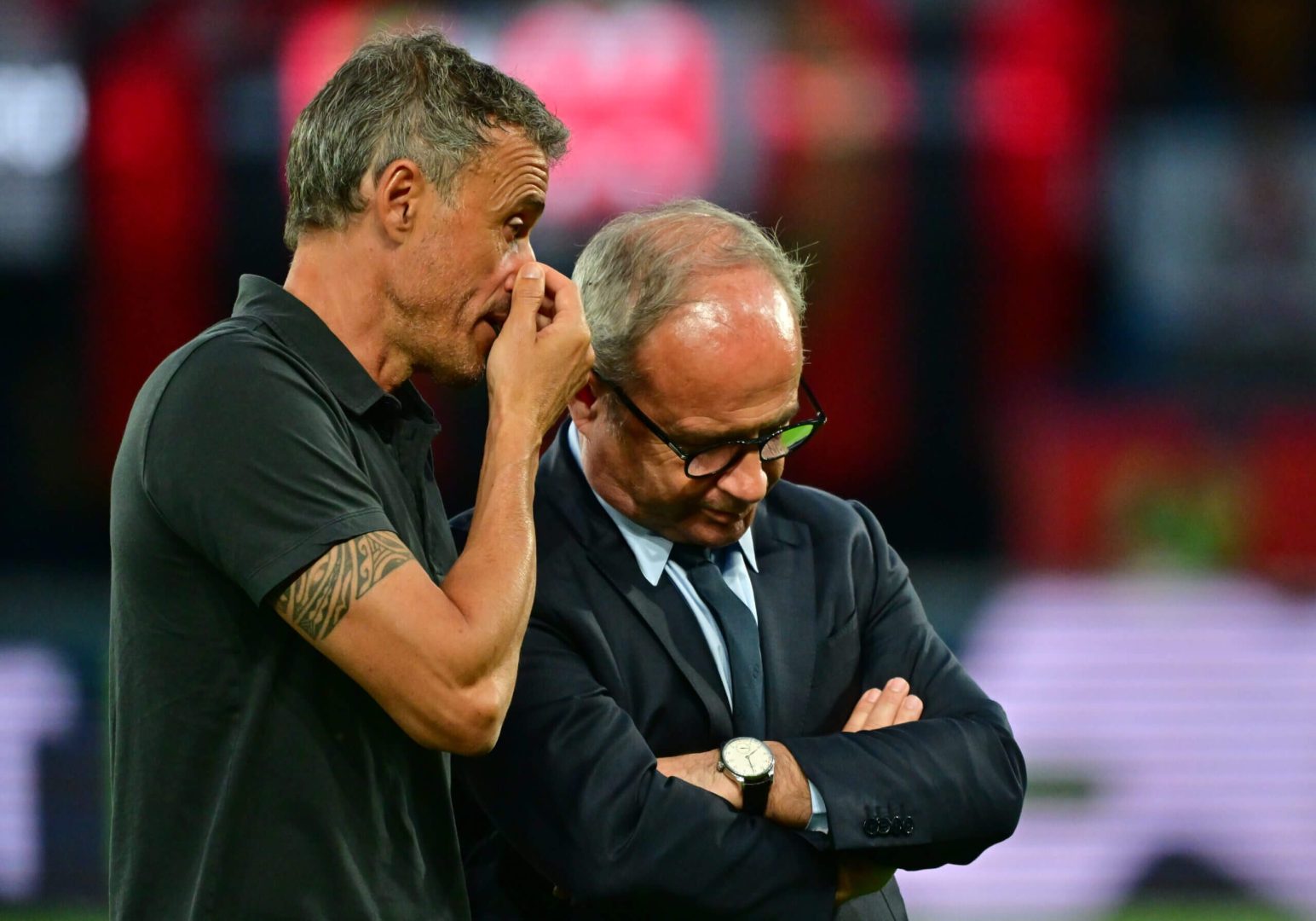
The synergy between Luis Enrique and Luis Campos is central to PSG’s strategy, blending innovative coaching methods with astute sporting direction. Luis Enrique’s emphasis on tactical discipline and player adaptability complements Campos’s expertise in crafting a balanced yet dynamic squad. This cooperation ensures that PSG not only competes at the highest level but also adheres to principles of sustainability and player development.
Players recognize that their progression at PSG is closely monitored and supported, with individual growth aligned with collective objectives. Luis Campos highlighted that aside from creating a competitive team, the club is deeply invested in helping players realize personal ambitions within a structured framework. This dual focus promotes a strong internal culture where players strive to improve continuously while contributing to team success.
As PSG continues to refine its approach, the football community watches closely how this model of club vision and management will influence not only the Parc des Princes but also European football at large. The combination of a clear transfer policy, a commitment to youth, and the unwavering demand for excellence underlines PSG’s ambition to stay at the pinnacle of club football.
For detailed insights on PSG’s recent performances and strategic ambitions, refer to analyses such as PSG’s dominance in continental matches and explore the intricacies of club management and transfer dynamics shaping the future of football.