
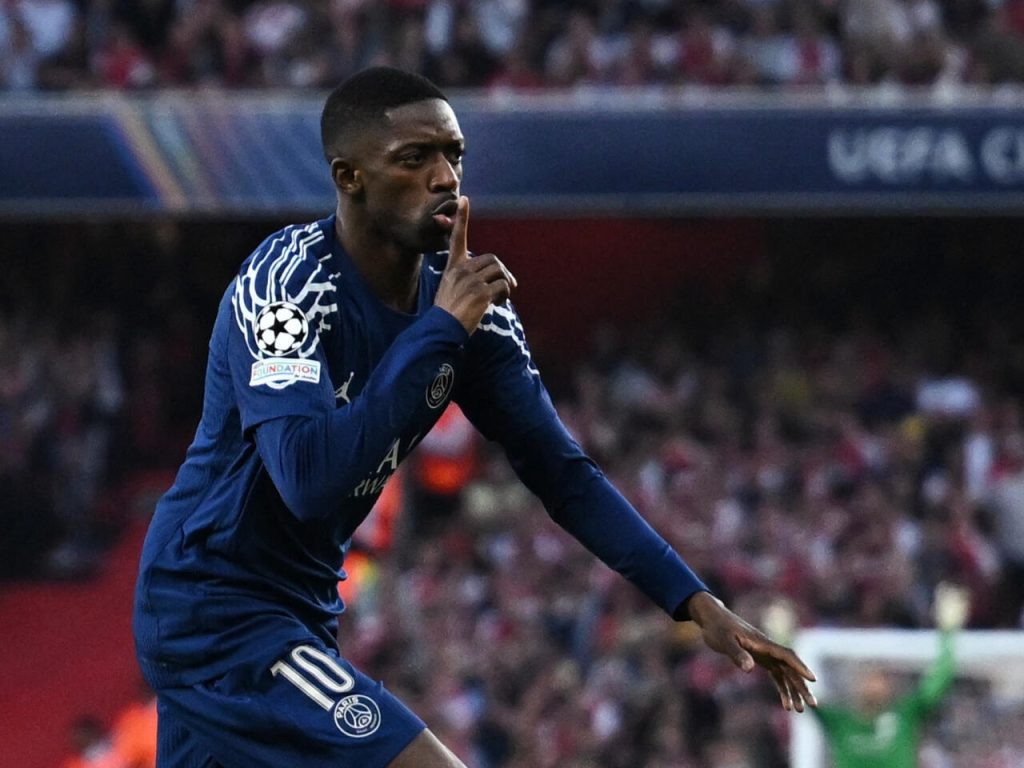
Ousmane Dembélé, heralded as the Ballon d’Or 2025 winner, was expected to spearhead PSG‘s ambitions in this pivotal phase of the season. Yet, recent matches have starkly contrasted with those lofty expectations, highlighting a performance fraught with inconsistency and physical vulnerability. The French winger, coming off a dismal outing against Stade Rennais, entered the crucial Champions League playoff against AS Monaco under a cloud of doubts, both regarding his form and fitness.
Despite reservations fueled by his own controversial remarks on team commitment and a lingering muscular discomfort reported during training, coach Luis Enrique trusted Dembélé with a starting position. This decision backfired as PSG stumbled from the outset, largely uninspired and hapless in offensive thrust, while Monaco capitalized ruthlessly through Folarin Balogun’s two early goals. The missed penalty by Vitinha added to the mounting pressure.
Dembélé’s brief 26-minute appearance ended prematurely due to physical distress, underscoring the precarious nature of his current state. His inability to influence play gave way to the entry of Désiré Doué, whose electrifying impact reversed the game’s momentum and eventually secured a dramatic 3-2 victory for PSG. This stark juxtaposition between the faltering star and the emergent talent exposes the deep fissures in the team’s dynamic and raises pressing questions over Dembélé’s role in the squad moving forward.
PSG’s Tactical Dilemma: When Expectations Meet Reality in Ousmane Dembélé’s Performance
The PSG faithful anticipated that Ousmane Dembélé would translate his individual brilliance into match-winning contributions. However, his recent displays have been echoing the broader inconsistencies plaguing the squad. The match against Monaco vividly illustrated how his diminished physical condition and wavering confidence contributed to a lackluster attacking threat. Over the initial 25 minutes, Dembélé’s presence on the pitch barely registered; he struggled to generate depth or create meaningful chances, reflecting a disturbing departure from the player who once dazzled Europe.
Coach Luis Enrique’s assessments post-match highlighted a careful, almost protective approach to managing Dembélé’s condition, with the player receiving a significant blow in the opening minutes that likely compounded his struggles. The substitution decision, though tactically justified, marked a turning point in the clash, revealing the extent to which the team’s fortunes are intertwined with his individual state.

The Rise of Désiré Doué: A Stunning Response to Criticism and Pressure
Désiré Doué’s introduction into a hostile environment, following internal scrutiny and public criticism, was nothing short of spectacular. His immediate impact—scoring to narrow the deficit and assisting the equalizer—embodied a fearless attitude and technical prowess. Doué’s relentless involvement culminated in the decisive winner, showcasing PSG’s depth and youth potential while casting a long shadow over Dembélé’s faltering role. This performance encapsulates the emerging challenge for the club’s management: balancing reliance on established stars with the imperative to nurture burgeoning talents who bring vitality and resilience.
Luis Enrique’s praise for Doué emphasized the delicate balancing act of managing expectations within a youthful squad striving to assert dominance in European football. The contrast between the two players on that night serves as a harsh reminder that football at the highest level demands not only skill but peak physical and mental readiness.
Criticism and Pressure Surrounding Dembélé: What Comes Next?
The disappointing trajectory of Dembélé’s current phase has prompted widespread criticism from both supporters and pundits alike, scrutinizing missed goals, absent assists, and his overall performance under pressure. Such scrutiny is intensified by the contrast with younger talents who seize their moments with poise. This dynamic fuels a pressing debate within PSG about squad selection, player management, and tactical adaptations heading into the decisive stretch of the Champions League.
For a club of PSG’s stature and ambition, relying on consistent deliverables from marquee names like Dembélé remains crucial. Yet, questions loom regarding his capacity to regain form and fitness swiftly enough to contribute meaningfully in the season’s defining moments. As the club navigates this challenging landscape, it becomes imperative to look beyond headline figures and evaluate the deeper implications for PSG’s future strategy, including the integration of emerging stars.
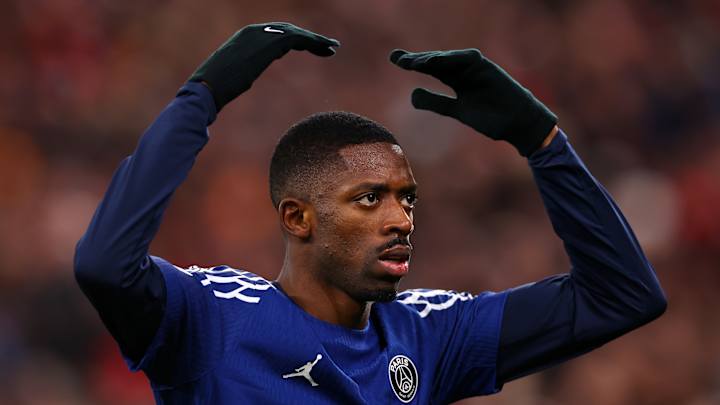
The evolution of Dembélé’s role at PSG, intertwined with the club’s broader footballing narrative, signals a critical juncture. For a more complete understanding of PSG’s current dynamics and future prospects, including the French Cup ambitions and insights from Morocco’s 2025 CAN analysis, visit this detailed overview and Morocco football analysis.