
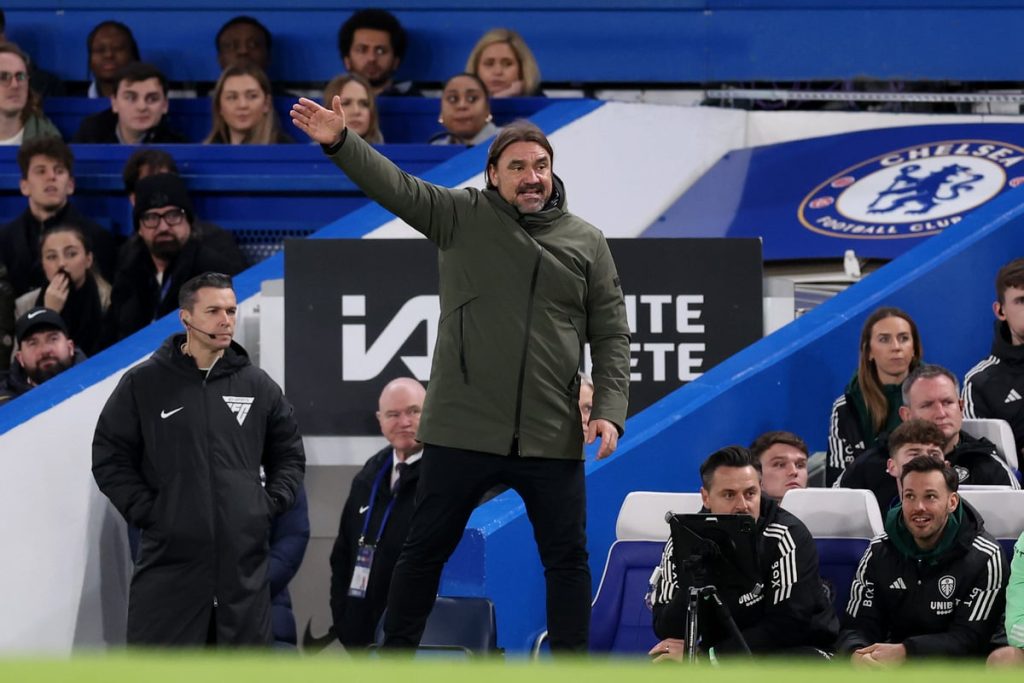
The Premier League is on the brink of implementing a new regulation after a wave of controversy stirred by Leeds United’s manager, Daniel Farke. His pointed accusations against Manchester City during their tight 3-2 victory have sparked intense debates within soccer governance circles about fairness and tactics. The incident centered on how City’s goalkeeper, Gianluigi Donnarumma, handled an injury, prompting calls to reexamine the existing football rules. With the current rule allowing only outfield players to leave briefly for injury treatment, the exemption for goalkeepers raised questions about potential exploitation. This unfolding scenario highlights the challenges of maintaining integrity in top-level football and the need for vigilant sports management.
Key points to note: Leeds United’s manager publicly criticized Manchester City’s approach, accusing them of tactically “circumventing rules” during an injury break. The Premier League is now exploring amendments that would require an outfield player to leave the field temporarily if a goalkeeper is injured, ensuring equitable conditions for both teams. Additionally, stricter controls on player proximity to the touchline during medical interventions are under consideration to reduce potential time-wasting and gamesmanship. These proposed changes reflect an evolving vision of disciplinary action and transparency in football operations.
Premier League’s New Regulation Initiative Triggered by Leeds Manager’s Accusations
Daniel Farke’s public dissatisfaction following Leeds United’s narrow defeat to Manchester City has catalyzed a serious review of the Premier League’s injury protocols. The core issue involved the handling of goalkeeper Gianluigi Donnarumma’s injury, where Farke alleged a deliberate simulation to gain tactical advantage—a claim that penetrates the heart of football controversy within the league.
The current rules allow outfield players 30 seconds of downtime off the pitch for injury treatment, but goalkeepers do not count under this provision. Critics argue this discrepancy lets teams manipulate game tempo unfairly. To address this, the Premier League is considering introducing a rule where an outfield player must temporarily exit the field if a keeper requires treatment. This adjustment aims to balance fairness and prevent tactical abuse.

Moreover, football authorities are debating a ban on players congregating near the touchline during medical attention to goalkeepers, an idea gaining traction due to its potential to curb unsporting behavior. Such measures demonstrate the league’s commitment to upholding sporting integrity and could mark a significant evolution in sports management within English football.
Addressing Tactical Exploits: The Leeds Manager’s Standpoints
Farke’s statements following the contentious fixture underscored concerns around fair play. Describing the situation as a tactic to “simulate injury” and gain extra team discussions, he questioned the ethics behind such actions, challenging both referees and league officials. It emphasized that enforcement agencies must evolve to counter modern-day gamesmanship effectively.
Esteemed former player Danny Murphy supported these proposed changes, emphasizing the fairness injected by holding teams accountable in these scenarios. His endorsement highlights a broader consensus among former professionals and analysts that current football rules warrant recalibration to mirror the realities and demands of contemporary Premier League football.

The development comes at a critical moment for the sport, aligning with wider global betting regulations and fairness policies. As football fans and stakeholders watch closely, this new regulation could profoundly impact how injury breaks are managed in the Premier League, reducing contentious moments and fostering respect for the game’s spirit.
Implications for Football Governance and Future Disciplinary Actions
The prospect of new rules signals an important shift in football governance aimed at reinforcing fairness and transparency. Managing potential tactical abuses during injury stoppages correlates closely with effective sports management and the league’s disciplinary frameworks. If adopted, such regulations will require clubs and staff to adapt, potentially altering game strategies and on-pitch conduct.
These discussions align with other ongoing Premier League initiatives to address regulatory and financial issues, showing a holistic approach to maintaining competitive balance and ethical standards in English football.
Fans and analysts considering these developments should also examine how the new rules might intersect with evolving sports betting landscapes, given the sport’s intertwined relationship with wagering markets. Clarity and consistency in match conduct can enhance trust not only among fans but also within the sports gambling industry.