
Manchester City, currently trailing Arsenal by a substantial seven points in the Premier League standings, face an uphill battle as they prepare to confront Wolverhampton. Pep Guardiola, the celebrated football manager, does not mince words when it comes to assessing his rival’s prowess. He openly recognizes Arsenal as the world’s best football team, underscoring their dominance across multiple competitions including the Premier League, UEFA Champions League, FA Cup, and Carabao Cup. This candid admission offers an intriguing perspective on the dynamics within top-tier football in 2026.
Guardiola’s acknowledgment carries weight, especially as City aim to narrow the gap and reclaim their status at the summit of English and global soccer. Beyond the immediate contest, his observations encapsulate the intense competition thriving within football and highlight the strategic and tactical nuances shaping this era of the sport. Such a declaration resonates across football news platforms, stirring debates and offering a valuable lens through which to analyze team selection, player performance, and modern football tactics.
For those keen on in-depth sports analysis, Guardiola’s comments serve as both a challenge and a roadmap. They reveal the intricacies involved in sustaining excellence amidst evolving team dynamics and underline the critical role of a football manager’s vision in assembling a squad of the best players capable of executing game plans effectively. Following this prelude, further insight can be gleaned from exploring recent developments such as football statistics and predictions, which enrich understanding of how top managers strategize to optimize their team’s potential on the field.
Pep Guardiola’s Insight into the World’s Best Football Team and Premier League Rivalries
As the 2026 Premier League season unfolds, Pep Guardiola emphasizes the exceptional caliber of Arsenal, dubbing them the best team globally. This distinction comes after Arsenal’s impressive showing across several major tournaments, signaling their comprehensive strength rather than isolated success. Guardiola’s respect for Mikel Arteta’s side highlights the tactical sophistication and resilience inherent in today’s elite teams.
This recognition places a premium on strategic excellence, where the football manager’s role is pivotal. Guardiola’s experience demonstrates how meticulous team selection can elevate a squad’s performance, reinforcing why Arsenal’s consistency has set them apart. The acknowledgment also opens dialogues around competitive dynamics, where clubs like Manchester City must continuously adapt to maintain supremacy in a landscape marked by tactical innovation and player talent evolution. This evolving ecosystem proves fertile ground for engaging football news and discussions centered on managerial legacies and the impact of transfer markets, a topic explored in depth at football transfer Barcelona.
How Tactical Mastery Defines the World’s Best Football Teams in 2026
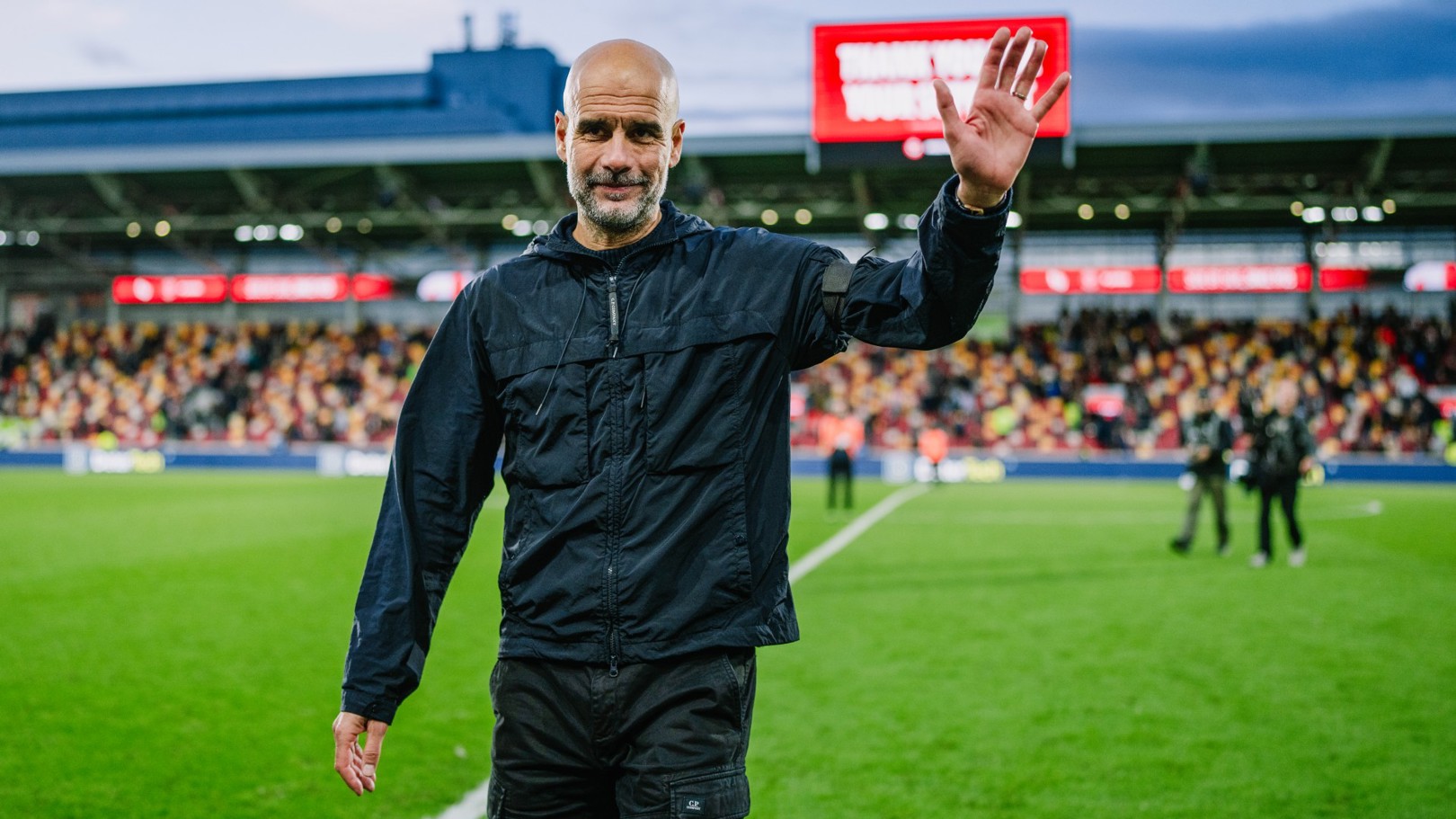
Guardiola’s claim transcends mere admiration; it highlights the intrinsic link between football tactics and team success. Arsenal’s gameplay epitomizes a blend of high pressing, fluid positional play, and strategic discipline, characteristics that reflect modern football’s tactical evolution. This approach forms a blueprint for aspiring teams and reinforces why the label of the best players often involves not just individual skill but also a collective tactical harmony.
Further illustrating the point, Guardiola’s Manchester City continues to adjust its tactical framework, aiming to counter Arsenal’s growing dominance. Their preparation involves scrutinizing football betting markets and match analytics to anticipate opponents’ strategies. Fans and analysts might find detailed football accumulator tips and statistics at platforms like football betting markets particularly illuminating in understanding these strategic battles.
Manchester City’s Quest to Reclose the Gap
Despite acknowledging Arsenal’s supremacy, Guardiola remains resolute about Manchester City’s mission to reduce the Premier League deficit. The encounter with Wolverhampton represents a critical juncture to regain momentum. The Spaniard’s frankness about the challenge ahead underscores the fine margins that define top-level football in 2026, where injury crises and form fluctuations impact title races decisively.
In pursuing resurgence, Manchester City continues to harness the expertise of its football manager, focusing on leveraging the strengths of its star players while refining tactical approaches. This period tests the club’s depth and adaptability, shown vividly in competitive fixtures beyond England — spanning European and domestic cup competitions. Observers may correlate these strategic maneuvers with broader themes discussed in articles on PSG Champions League exit and team rebuilds, thereby appreciating the interconnected nature of club football success.
The Critical Role of Team Selection and Innovation in Football Success
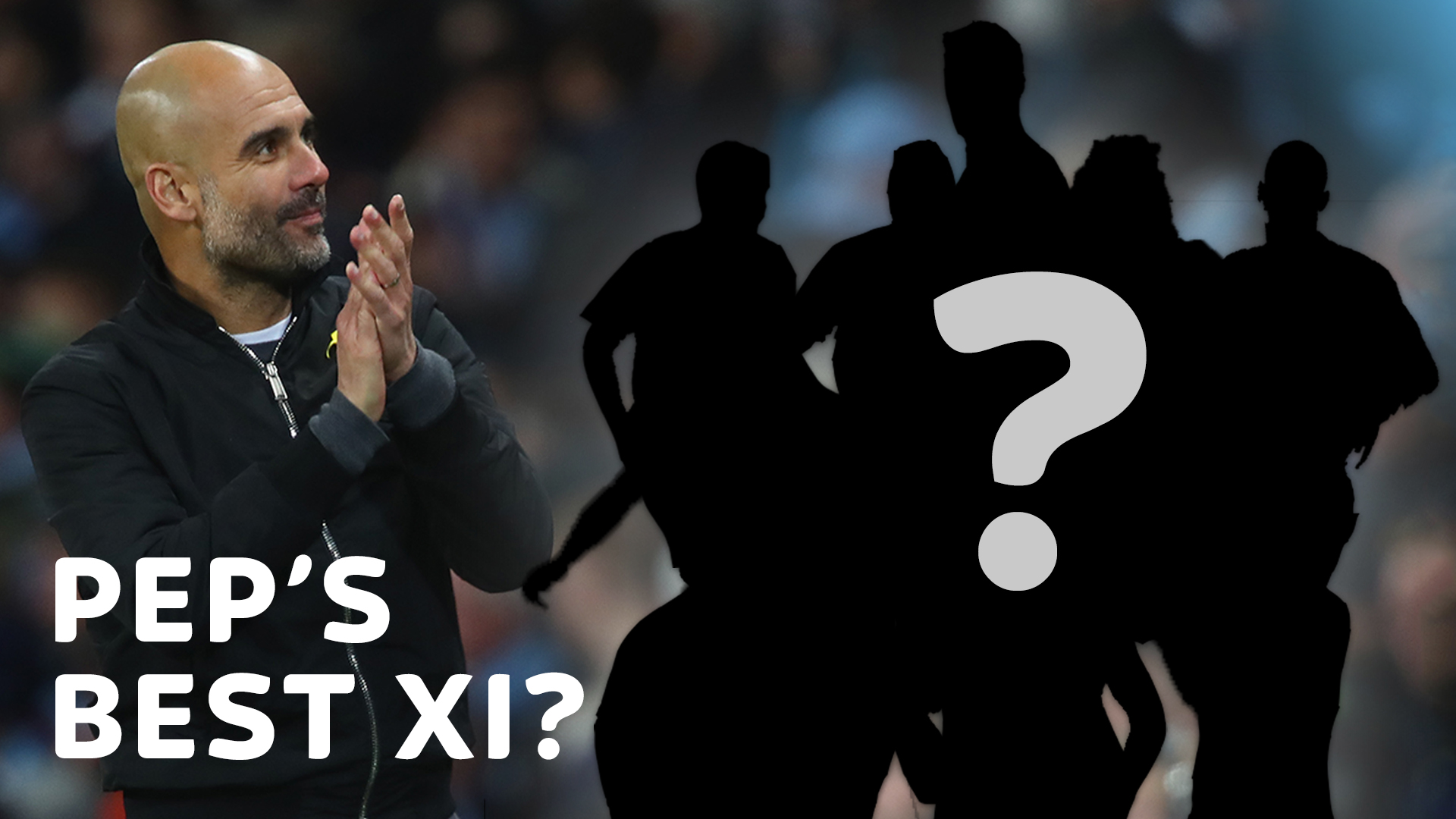
Team selection stands at the heart of Guardiola’s philosophy. His capacity to mix youth and experience, balance offensive flair with defensive solidity, and adapt lineups dynamically is instrumental in Manchester City’s sustained competitiveness. This approach reflects a broader trend within football management that values versatility alongside specialization, reinforcing the multidimensional aspect of being a successful football manager today.
Such insights into tactical and team building expertise are crucial for enthusiasts keen on sports analysis and tactical innovation. Resources offering detailed explorations of transfer dynamics and managerial strategies, including the implications of high-profile moves noted in Barca Joao Cancelo transfer, provide valuable context for understanding how clubs shape their ambitions to remain at the pinnacle of world football amid intense rivalry.