
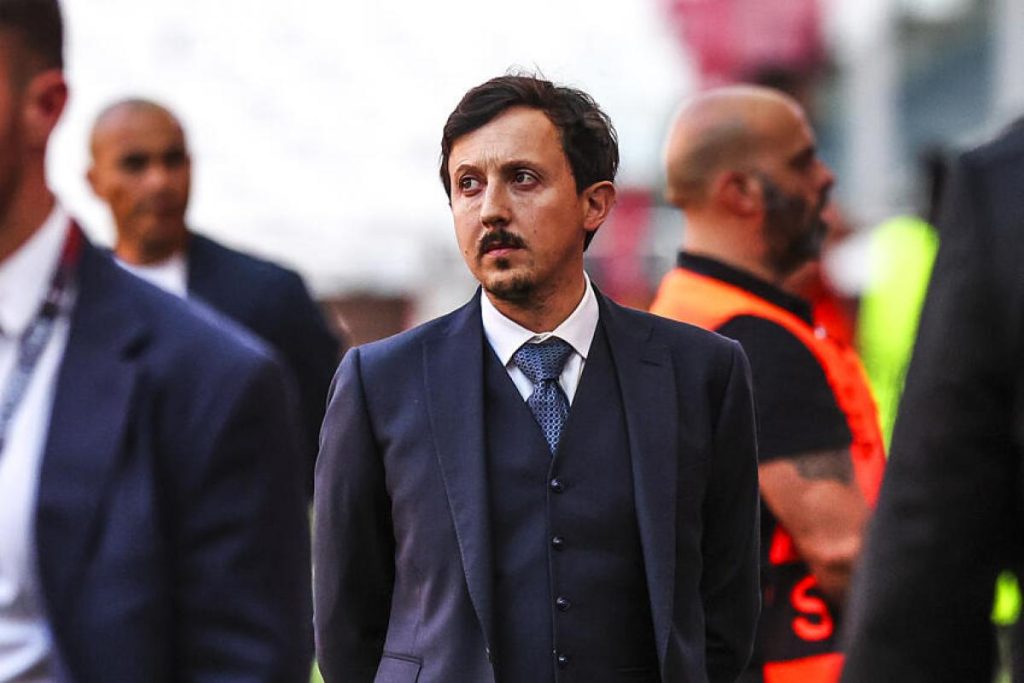
In early 2026, OM president Pablo Longoria publicly expressed unwavering faith in football coach Roberto De Zerbi, envisioning him as a long-term pillar of the team’s management. Drawing a parallel with Diego Simeone’s enduring tenure at Atlético Madrid, Longoria conveyed a clear commitment to structural stability for the team. Yet, the rapidly shifting dynamics typical of today’s football world proved unforgiving. Barely two weeks after this declaration, De Zerbi was relieved of his duties in the middle of the night, a stark example of how fleeting certainty can be in Marseille’s unforgiving sporting atmosphere.
This abrupt change highlights the volatile nature of top-level football management, where even robust commitments made by club leadership can unravel swiftly under pressure. The swift reversal—from an expressed desire for De Zerbi to stay forever to his dismissal—reflects the harsh reality that results and performance often override longer-term project visions, especially at a club with the passionate expectations characteristic of OM.
OM’s Management and the Challenge of Building Stability with De Zerbi
At the heart of Marseille’s strategy was a bold vision of sustainability in their coaching role, championed by Longoria who saw De Zerbi as a figure capable of shaping the club’s future, much like Simeone has done for Atlético. This vision implied patience, investment, and a steady developmental process for the squad’s tactical identity and cohesion. However, the unpredictable pressures of Ligue 1 and the expectations of OM’s fervent fanbase place immense strain on any such project.
Such expectations often result in a rapid cycle of hiring and firing, which contrasts with the deeper commitment that Longoria initially articulated. This initial confidence can be seen in the context of other transfer activities and strategic moves that had marked the club in recent months, aiming to build a competitive roster alongside their coach’s tactical philosophy.
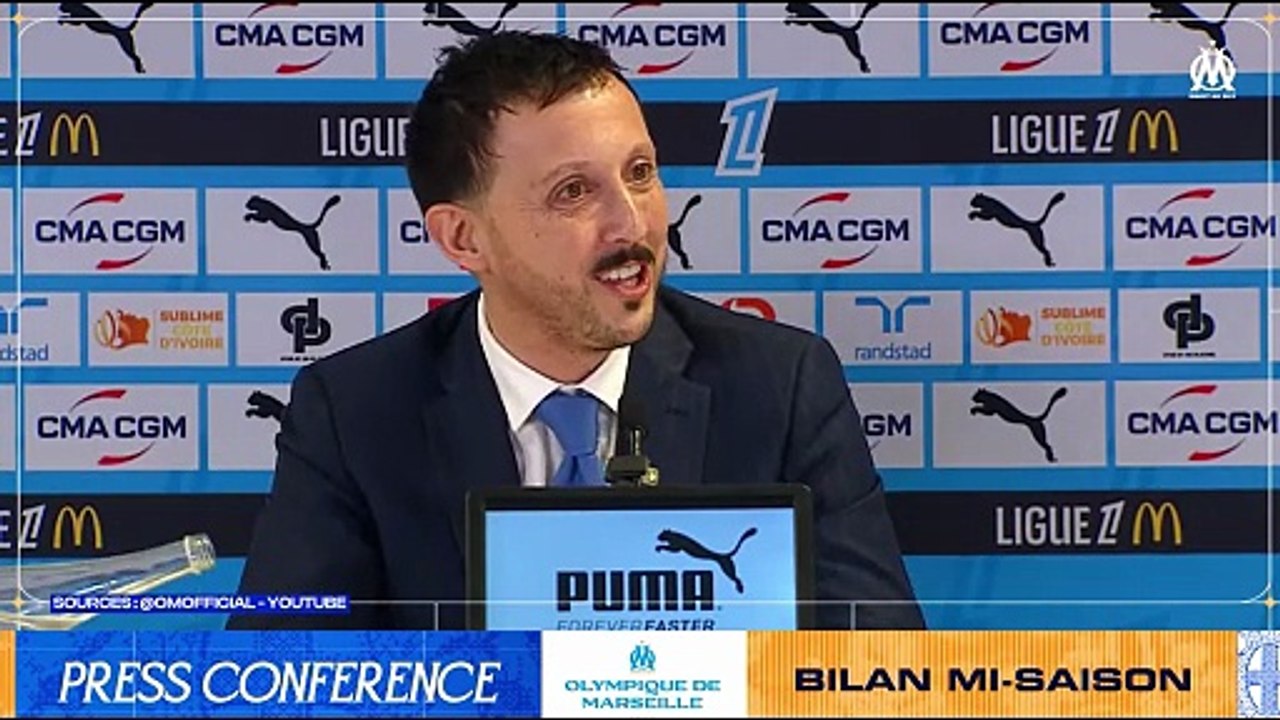
The Tension Between Long-Term Projects and Immediate Results in Football
Football management, especially within high-pressure clubs like OM, often struggles to balance long-term projects with the demand for immediate success. While Longoria’s desire for De Zerbi to establish a lasting legacy embodies modern management ambitions, the swift dismissal underscores the fragile nature of such projects under sporting duress.
Clubs face the paradox of needing stability but reacting impulsively to dips in form or unsatisfactory results. This tension is amplified at OM, where passionate supporters and media expectations accelerate decision-making. In 2026, this dynamic remains a key challenge, as seen in the example of De Zerbi’s exit following Longoria’s strong public endorsement only weeks before.
Lessons from the OM-De Zerbi Episode for Football Club Management
The sequence of events at OM illustrates the precarious relationship between a club’s leadership vision and on-field realities. While Longoria publicly committed to a future with De Zerbi, emphasizing loyalty and a structured approach to team success, the realities of football — including results pressure and fan expectations — quickly altered priorities.
This case urges football organizations to reflect on the sustainability of their management models. Ensuring that coaches have adequate time to implement their vision while satisfying the immediate results demanded by football’s ecosystem is a difficult balance. OM’s recent moves, including other transfers and management decisions, provide further context on how clubs trade off between patience and urgency in team construction.

For a deeper exploration of transfer dynamics and the interplay between club leadership and coaching roles, see articles on OM transfer strategies and De Zerbi’s responses to his OM departure. These resources give greater insight into how crucial decisions are made behind the scenes and their impact on team trajectory.
OM’s experience in early 2026 remains a vivid illustration of football’s tensions between long-term projects and the immediacy of results, reflected in management swings and the high stakes of club leadership.
In brief:
- Longoria publicly wanted De Zerbi to remain at OM “forever,” associating stability with success.
- The swift dismissal two weeks later shows the volatile nature of football management, especially at clubs like OM.
- Balancing a long-term commitment to coaches with the immediate results demanded by fans and media remains challenging.
- The OM-De Zerbi episode is a case study in the clash between visionary leadership and sporting realities.
- Transfer strategies and managerial reactions during this period highlight the complexities of building a sustainable team.