
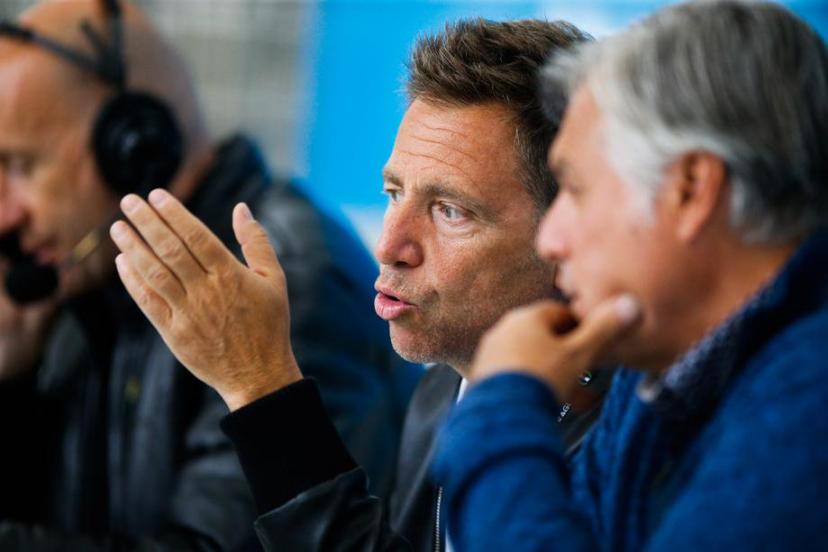
The ongoing Deschamps-Riolo Trial continues to captivate the French football community and legal observers alike. After being cleared of defamation charges last Friday by the Tribunal de Grande Instance de Paris, editorialist Daniel Riolo finds himself at the heart of a heated dispute with France’s national team coach, Didier Deschamps. Despite the court’s decision favoring Riolo for his public accusations regarding Deschamps’s handling of Karim Benzema’s injury and subsequent withdrawal from the national squad, Deschamps remains determined to challenge the verdict. His legal team confirmed the intention to file a judicial appeal, signaling that this court case is far from over.
This legal confrontation intertwines the realms of sports law and media freedom, bringing to light the fragile boundary between public criticism and personal honor in French football. The trial, which revolves around serious accusations branding Deschamps as dishonest about Benzema’s health, has not only provoked a stark division within the football community but also highlighted complex nuances in the sports controversy. As the legal proceedings proceed, all eyes will be on the upcoming appeal, expected to intensify the debate over accountability and reputation in sport.
Didier Deschamps Decides to Appeal After Defamation Case Dismissal
Following the tribunal ruling that acquitted Daniel Riolo, the determination of Didier Deschamps to continue his fight through an appeal underscores the high stakes of this trial update. Deschamps’s legal counsel, Isabelle Wekstein, expressed that the coach has thoroughly analyzed the judgment and concluded that challenging it is essential. The appeal emphasizes the delicate balance in sports journalism between expressing a critical viewpoint and respecting individual reputation. This case has sharpened focus on how football figures manage their public image when facing acute scrutiny.
The initial complaint sparked in March 2023, when Royolo referred to Deschamps as a “liar” in relation to the communication about Karim Benzema’s injury status during the FIFA World Cup. This significant moment has since become a landmark in sports law, testing the limits of defamatory statements and the protection of freedom of opinion. Lawyers on both sides have vectorized their arguments around detailed interpretations of harm caused, truthfulness, and the right to criticize.
Legal Ramifications in the Football World
The Deschamps-Riolo trial resonates far beyond the courtroom, reverberating throughout the fabric of French football governance and media ethics. It raises questions about the legal protections available to public figures within high-pressure sports environments. With the appeal process underway, the judiciary will revisit sensitive questions surrounding public statements made amidst intense media coverage, which in turn may influence how football professionals engage with criticism in the future.
Moreover, this clash is symptomatic of a broader issue where the line separating investigative journalism and damaging personal attacks becomes blurred. As sports remain a highly emotional subject in France, this trial is becoming a precedent for how professionalism and legal repercussions intersect in football commentary and coaching circles.
Deschamps-Riolo Case Sets a New Benchmark for Sports Defamation Litigation
As the appeal moves forward, the implications of this court case stretch beyond the immediate players involved, setting a benchmark for future defamation claims within the sports industry. It illuminates the challenges in balancing accountability with fervent public discourse and the significant role courts play in arbitrating disputes at this intersection. For Didier Deschamps, the outcome of this appeal will be pivotal in either restoring his public honor or redefining the accepted boundaries of journalistic expression in football.
In the meantime, the footballing world watches attentively. The resolution of this dispute may well recalibrate expectations of transparency, professional critique, and legal boundaries in French football, influencing how players, coaches, and journalists navigate public narratives in the years to come.