
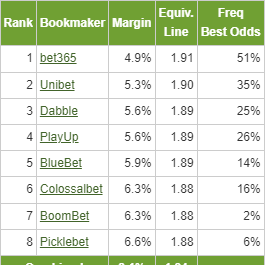
In the competitive world of sports betting, the odds you see are more than just numbers predicting an event; they subtly conceal bookmaker margins that ensure the house always has the edge. Whether you’re placing bets with giants like Bet365 or trusted names such as William Hill and Pinnacle, understanding how these margins impact your potential returns is crucial. As betting markets evolve in 2025, with platforms like FanDuel and DraftKings introducing dynamic odds, grasping the influence of bookmaker margins empowers you to make smarter choices and maximize profits.
In brief: Bookmaker margins, also called overround or vig, are the hidden percentages embedded in betting odds by sportsbooks to secure profit regardless of the outcome. High margins reduce your returns, while low margins, often found in sharper bookmakers or niche markets, offer better value. Savvy bettors compare odds across operators like Unibet, Betway, and Coral, use betting exchanges, and leverage promotions to offset this bookmaker advantage.
What Role Do Bookmaker Margins Play in Shaping Your Betting Profits?
Every time you access a sportsbook’s platform, the odds reflect not just the probability of an event but also a margin that tilts the balance in favor of the bookmaker. This margin—the bookmaker’s cushion—typically ranges between 5% and 10% across sports and events. When betting with popular sportsbooks like William Hill or Bet365, you are effectively paying a “tax” on your bet, which ensures that over the long term, the bookmakers maintain profitability regardless of player outcomes.
Consider a Premier League match, for instance, between Manchester United and Liverpool where the odds might be 2.10 and 3.50 respectively. The implied winning probabilities calculated from these odds total less than 100%, with the difference being the bookmaker’s margin. This structure allows the bookmaker to manage risks and pay operational costs while maintaining profit even during unpredictable outcomes.
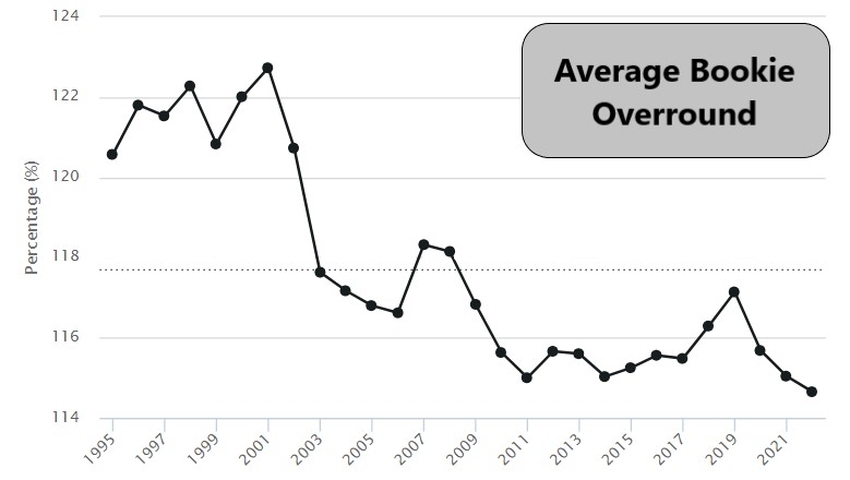
How Higher Bookmaker Margins Can Erode Your Returns
The real impact of these margins manifests in your betting profitability. If you consistently place bets through sportsbooks with higher margins, such as some ‘soft’ bookmakers, your overall return diminishes significantly. Conversely, ‘sharp’ bookmakers like Pinnacle offer smaller margins, attracting professional bettors willing to wager larger sums with tighter risks on the bookmaker’s side.
For example, betting £100 with a bookmaker charging a 5% margin might only return £105, whereas with a more competitive 2.5% margin, your return could be £110 on the same event. This difference, though seemingly modest on a single bet, compounds notably over time, especially when using betting strategies designed to capitalize on value.
Smart Strategies to Exploit Bookmaker Margins and Maximize Winnings
You cannot entirely avoid bookmaker margins, but intelligent bettors use strategies to minimize their impact and boost profitability. Primarily, they shop across operators such as Unibet, Betway, and William Hill to find bookmakers offering the best odds with the lowest margin. Specialized niche markets can also have significantly lower margins compared to mainstream leagues or tournaments.
Another edge is gained through betting exchanges, exemplified by platforms akin to FanDuel and DraftKings, where you bet against other bettors instead of the house. This eliminates the built-in margin from bookmakers, though a small commission applies, often lower than traditional bookmaker margins.

Taking Advantage of Live Betting and Market Inefficiencies
Live or in-play betting has revolutionized the sports betting landscape in 2025, presenting opportunities where odds—and thus margins—fluctuate in real-time. Following the momentum of a match with up-to-date statistics allows bettors to find short windows where bookmaker margins shrink, enabling value bets that wouldn’t be found pre-game.
Additionally, understanding market inefficiencies and spotting undervalued bets provides another layer of advantage, especially in the highly analytical era where sportsbooks adjust odds dynamically. Bettors who combine data analysis tools with an understanding of bookmaker margins stand to considerably increase their profit potential.