
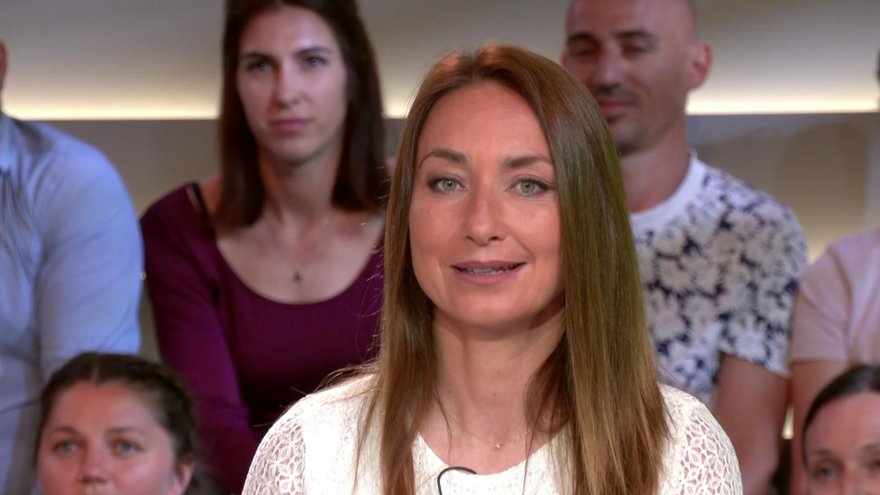
A wave of controversy stirred the French sports media landscape early this year after Daniel Bravo, a familiar face in football commentary, made an insensitive remark during the Ligue 1 broadcast on beIN Sports. The comment, which many have labeled as sexist, sparked immediate backlash and led to Bravo’s suspension by the network. As the story unfolded, it was Gaëtane Thiney, celebrated ex-international and current sporting director of Paris FC’s women’s team, who finally broke her silence on the incident, offering a nuanced perspective.
Thiney’s interview revealed her complex stance: while she condemned the remarks as unacceptable, she also highlighted the need for balance and understanding. Having built an illustrious career with 163 appearances and 58 goals for France, the former forward expressed feelings of frustration about how this singular event overshadowed her decades of dedication to the sport. She stressed that the uproar surrounding the case does not reflect the broader reality of women in football today but called for media figures to embody greater responsibility given their societal influence.
Brief overview of the Daniel Bravo controversy
- Daniel Bravo’s comment during a major football broadcast sparked public outrage and his subsequent suspension.
- Gaëtane Thiney, the focus of the remark, has publicly responded, balancing criticism with calls for measured reactions.
- Thiney emphasized her long-standing career and desire to focus on the positive progress in women’s football.
- The incident reignites debate about media ethics and gender sensitivity in sports coverage.
- The future relationship between Bravo and beIN Sports remains uncertain as discussions continue.
The Daniel Bravo Statement: A Controversy Shaping Football Media Ethics in 2026
The comment by Daniel Bravo during the Ligue 1 game broadcast was quickly condemned as sexist, not only by viewers but also by media peers. His suspension by beIN Sports sent a clear message about zero tolerance. Daniel Bravo apologized swiftly, contacting Gaëtane Thiney directly to express remorse. Yet, this episode has reopened dialogues around the portrayal of female athletes in football coverage.
In professional football, and especially within the evolving framework of sports integrity, commentators hold an immensely influential role. The incident underscores the demand for ethical vigilance in live sports media, spotlighting how a careless joke can spark a larger controversy that transcends the pitch.
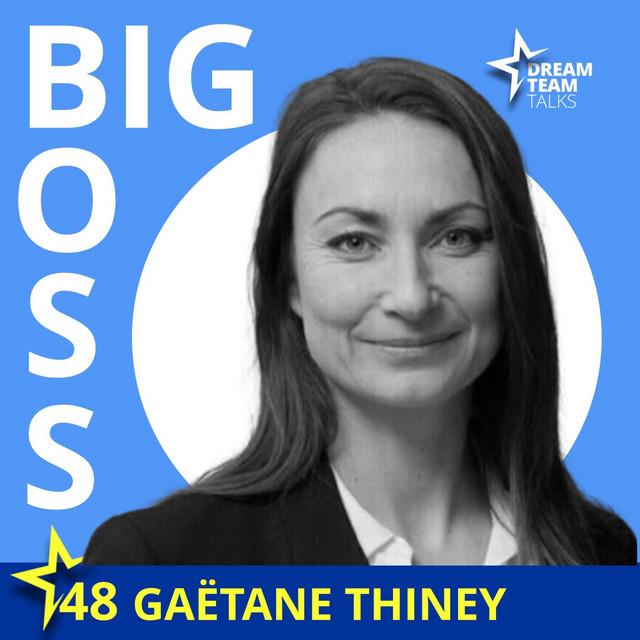
Gaëtane Thiney’s Revealing Interview: Balancing Condemnation and Forgiveness
Gaëtane Thiney’s reaction distinguished itself by its measured tone. Acknowledging the offense, she refused to wholly vilify Bravo, stating, “The remarks are condemnable but not unforgivable.” Thiney reflected on her own journey, pointing out the irony that her lifelong achievements in football hadn’t attracted as much media attention as this unfortunate moment in the stands.
Moreover, Thiney made it clear she values the importance of protecting the cause of women’s football, cautioning against reactions that might inadvertently stifle progress. Acknowledging the pressures placed upon women in the sport to represent beyond themselves, she emphasized unwavering support for women while calling for a more nuanced perspective on the incident.
What This Case Means for the Future of Football Commentary and Gender Dynamics
The dialogue ignited by this case signals a pivotal moment for football sports media as the industry continues evolving with broader social awareness. The pressure to avoid gender-biased commentary has grown, demanding commentators and journalists to exhibit exemplary conduct.
As the football community anticipates beIN Sports’ next steps regarding Daniel Bravo, attention remains on the broader impact of this case. It challenges stakeholders to assess how language reflects on and influences perceptions of women’s football, an area already gaining momentum, especially with the rising prominence of clubs and players like Paris FC.
The incident also emphasizes the need for educational initiatives within sports media to prevent harmful stereotypes and promote respectful engagement.
Meanwhile, as interest in Ligue 1 and football culture continues to surge, sports media outlets face increasing scrutiny over how they shape the narrative around gender and professionalism. Cases like Daniel Bravo’s serve as important reminders that words carry weight, especially on platforms with such wide reach.