
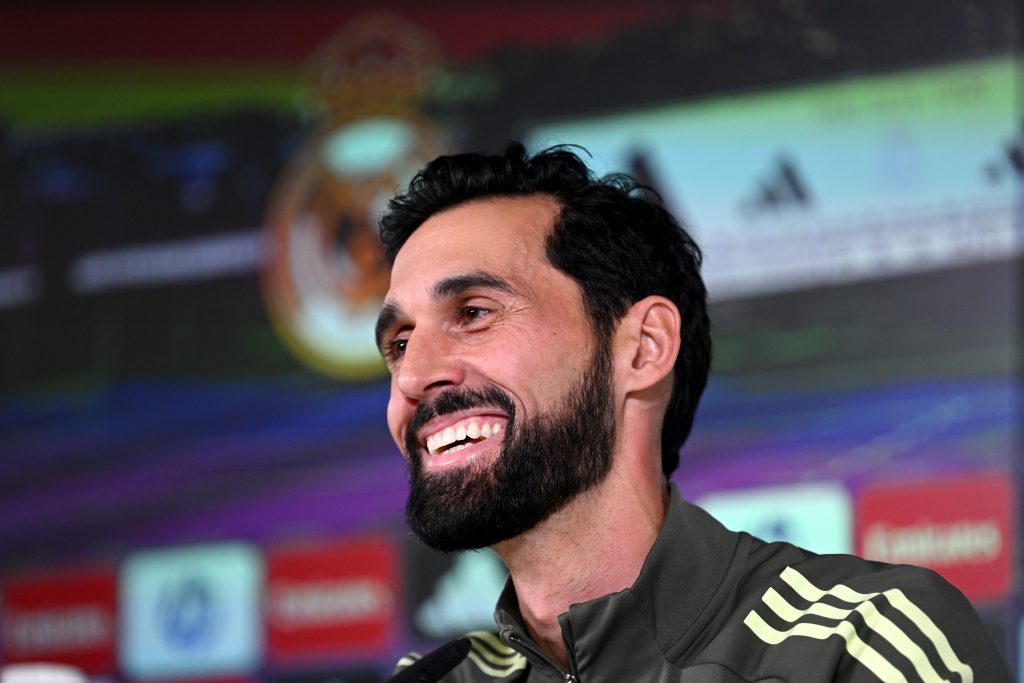
In the midst of a turbulent season, Real Madrid’s fortunes are taking a notable turn under the unexpected leadership of Alvaro Arbeloa. The former right-back, now head coach, sparked controversy and hope alike when he stepped into the hot seat following Xabi Alonso’s departure. Early signs suggest that Arbeloa’s influence extends far beyond tactical tweaks—he is reshaping the team’s mentality, revitalizing player impact, and influencing the team strategy in La Liga and beyond.
The initial setback in the Copa del Rey, losing 3-2 to Albacete, seemed to confirm doubts around Arbeloa’s appointment. Yet the resilience shown afterwards, notably with a 2-0 win over Levante and an emphatic 6-1 Champions League triumph against AS Monaco, signals a transformation. This turnaround reflects more than just results; it highlights a renewed sense of leadership and a rejuvenated playing spirit at the Bernabéu. The once tense and grey atmosphere has brightened, breathing new life into Real Madrid’s quest for glory.
- Alvaro Arbeloa brings a football philosophy rooted in trust and freedom rather than strict tactical rigidity.
- The team’s defense remains a work in progress but is supported by a focus on quick offensive transitions.
- Players like Vinicius Jr. are visibly more liberated, reflecting Arbeloa’s understated yet impactful coaching style.
- Concerns linger regarding the balance between player freedom and maintaining a disciplined team strategy.
- The upcoming clash against Villarreal promises clarity on how Arbeloa’s transformation will hold up under pressure.
How Arbeloa’s Leadership Style Is Shaping Real Madrid’s Transformation
Unlike his predecessor Xabi Alonso’s more reserved demeanor, Arbeloa has quickly endeared himself to the squad by fostering a close rapport with the players. His approach mirrors the warmth and accessibility of past managers like Carlo Ancelotti and Zinedine Zidane, creating an environment where players feel empowered to express themselves on the pitch. This change in atmosphere appears instrumental in motivating key figures and nurturing a strong sense of sportsmanship.
Arbeloa rarely resorts to sideline theatrics or vociferous instructions. His calm presence provides stability, allowing players the autonomy to take creative risks. This leadership philosophy emphasizes maintaining enthusiasm and confidence through encouragement, which is critical during challenging phases. The renewed trust permits star players to perform at their peak, confident in their manager’s support rather than fearing punitive measures for errors.

Player Freedom and Tactical Adaptations under Arbeloa
Strategically, Arbeloa favors a straightforward 4-3-3 setup that prioritizes swift transitions from defense to attack, a style that aligns with the club’s traditional values yet remains adaptable to modern demands. However, it is his leniency towards offensive players regarding defensive responsibilities that stands out. He explicitly opts for keeping stars like Vinicius Jr. and Mbappé fresh upfront, minimizing their defensive workload to maximize their attacking threat.
This tactical leniency has paid dividends in recent fixtures, with Real Madrid’s front line exhibiting greater fluidity and creativity. Nonetheless, the less rigid defensive stance raises questions about vulnerability, as showcased in the Champions League match where goalkeeper Courtois had to make significant saves to compensate for defensive lapses. This balance between freedom and structure remains a delicate dance that could define Madrid’s season.
The Broader Impact of Arbeloa’s Transformation on Real Madrid
The ongoing transformation is not limited to the field. Arbeloa’s promotion from within, moving up from the reserves, sends a message about leadership cultivating talent and trusting the club’s internal ecosystem. This attitude is manifest in recent squad decisions and the emergence of young talents gaining their chance amidst seasoned stars.
The shift in team strategy and atmosphere under Arbeloa’s guidance serves as a reminder of football’s holistic nature. It’s as much about fostering relationships and morale as it is about formations and tactics. Such an interplay between the mental and tactical components often spells success for teams navigating tough campaigns, especially at a demanding club like Real Madrid.

While skepticism over Arbeloa’s long-term role persists, Real Madrid’s recent upturn in form and rejuvenated spirit cannot be ignored. His understated but firm leadership showcases how a shift in mentality can be just as transformative as tactical ingenuity in professional football.
More on Real Madrid’s evolving dynamics and young player demand can be explored at Young talents rising through Real Madrid ranks, highlighting the club’s renewed focus on blending youth with experience.