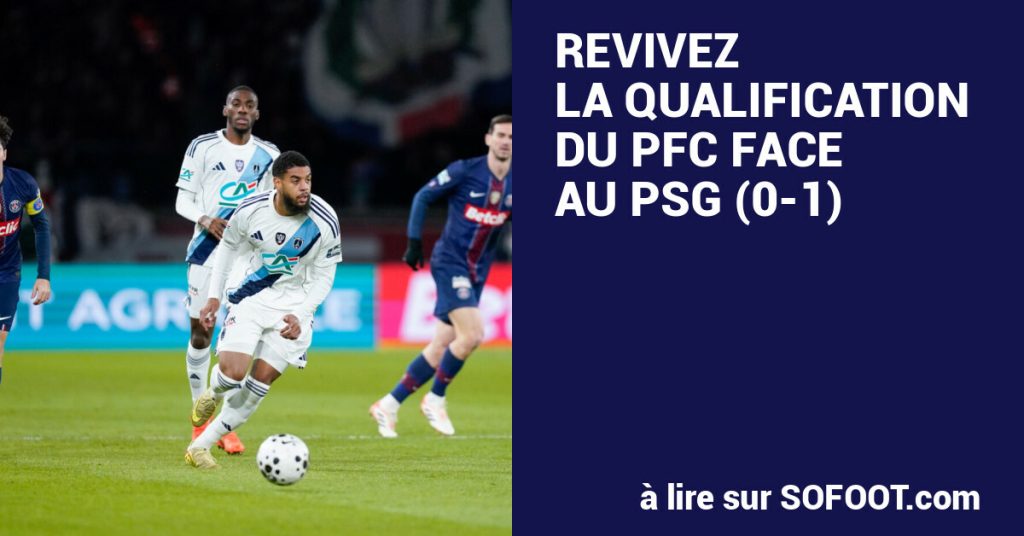
The French Cup delivered an unexpected twist as Paris FC pulled off a historic upset by eliminating the reigning champions Paris Saint-Germain from the tournament. The match, held at the Parc des Princes, saw the European giants outplayed despite their superior technical skills. It was a single moment of brilliance from Jonathan Ikoné that sealed the fate of PSG, leaving football enthusiasts across France in awe of this underdog triumph. Following this sensational victory, Pierre Ferracci, the President of Paris FC (PFC), shared insights into the aftermath and communications from PSG’s leadership, shedding light on the respect and sportsmanship characterizing the rivalry between these two Parisian teams.
Paris Saint-Germain, known for their dominance with 16 Coupe de France titles, faced a rare early exit that ended their streak of reaching the tournament’s last 32 since the 2012-13 season. Despite the disappointment, PSG’s top officials, including Nasser Al-Khelaïfi, sent congratulatory messages acknowledging PFC’s remarkable performance. This encounter not only disrupted PSG’s domestic aspirations but also intensified the competitive narrative within the city’s football scene.
How Paris FC’s Historic Win Influenced Relations with PSG Leadership
The unexpected victory by Paris FC, under the stewardship of President Pierre Ferracci, highlighted more than just a football upset—it revealed the nuanced dynamics between PFC and PSG. Despite the competitive nature of the match, PSG’s hierarchy maintained a respectful tone. Ferracci recalled receiving personal congratulations from Nasser Al-Khelaïfi, the PSG President, who, despite not attending the game, acknowledged the quality of PFC’s performance. Sporting director Campos and General Manager Melero echoed these sentiments, balancing their disappointment with commendation.
This exchange underscores a professional rapport anchored in mutual recognition, even amidst fierce rivalry. The dialogue between these clubs reflects a sporting culture where respect transcends competition, especially in a city where football allegiances are intensely passionate. The PSG leadership’s message also included a reminder of their ongoing focus on the team’s pursuit of success in both the league and the UEFA Champions League, projecting confidence that these setbacks serve as catalysts for future achievements.
Technical Superiority vs. Game Reality: PSG’s Missed Opportunities
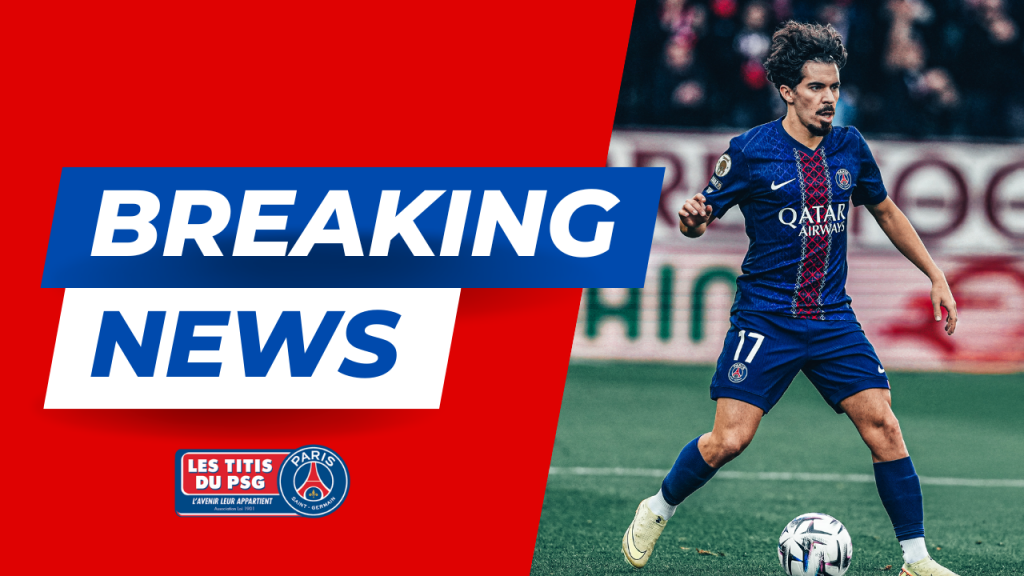
PSG dominated possession and displayed remarkable technical prowess throughout the French Cup match, but failed to convert chances into goals. Their prowess on the ball did not translate into the expected outcome, as Paris FC’s resilience and tactical discipline proved decisive.
Jonathan Ikoné’s decisive goal in the 74th minute punctuated this narrative. Coming on as a substitute and an ex-PSG academy player, Ikoné turned the match on its head with a clinical finish that stunned the Parc des Princes. This moment not only gave Paris FC passage to the next round but also symbolized a poetic return that resonated deeply with fans and players alike.
Implications of PFC’s Triumph on the French Football Landscape
The upset sent ripples through the French football community. It wasn’t merely a match result—it was a statement on the ever-evolving competitiveness within Ligue 1 and French football tournaments. Paris FC, backed by high-profile entities such as LVMH and Red Bull, showed that investment and ambition could challenge established giants. Currently sitting 15th in Ligue 1, this victory injected momentum into the team’s campaign, sparking renewed optimism amidst a challenging league position close to the relegation threshold.
Meanwhile, PSG must now refocus efforts on securing titles in their other objectives. This outcome also opened discussions on the sportsmanship and communication practices between rival clubs. Pierre Ferracci’s clarification in Le Parisien dispelled rumors about any financial engagements from PSG, emphasizing the authenticity of PFC’s footballing success without external influences.
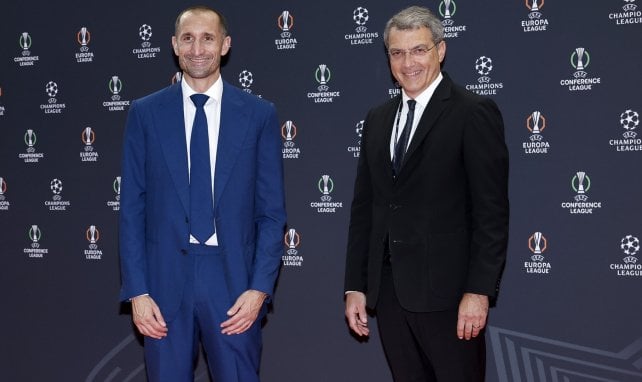
Club Presidents’ Dialogue Reflecting Sportsmanship in Football Rivalries
Following the game, Pierre Ferracci’s remarks highlighted PSG’s approach to handling defeat gracefully. Beyond the pitch, these interactions exemplify the importance of mutual respect among clubs. Their ongoing relationship serves as an example of how sports rivalries can foster both competitive spirit and constructive dialogue.
As the tournament progresses, all eyes remain on PSG to see how they respond in their next fixtures across domestic and European competitions. The French Cup shock reshapes the tournament’s landscape, offering an inspiring example of underdog determination and strategic execution.
For more on PSG’s broader challenges and prospects, including insights on player movements and tactical evolutions, readers can explore details about PSG’s squad developments, strategic outlooks from coaching staff decisions, and analysis of the club’s standing in the league via fan community dynamics. Additionally, the evolving sports betting landscape offers intriguing perspectives through bookmakers’ odds insights related to upcoming matches.