
During the intense Ligue 1 clash at the Stade Vélodrome, controversy erupted early on when FC Nantes thought they had taken the lead against Olympique de Marseille. A corner kick led to a chaotic moment as Marseille’s goalkeeper Geronimo Rulli mishandled a high ball, inadvertently sending it towards his own goal. The Moroccan striker El Arabi managed to capitalize, putting Nantes ahead 1-0. However, uncertainty ensued as Marseille defender Egan Riley appeared to be in contact with El Arabi, prompting the referee to consult VAR for a potential offside call. Ultimately, the crucial goal was disallowed, leaving Nantes frustrated but determined.
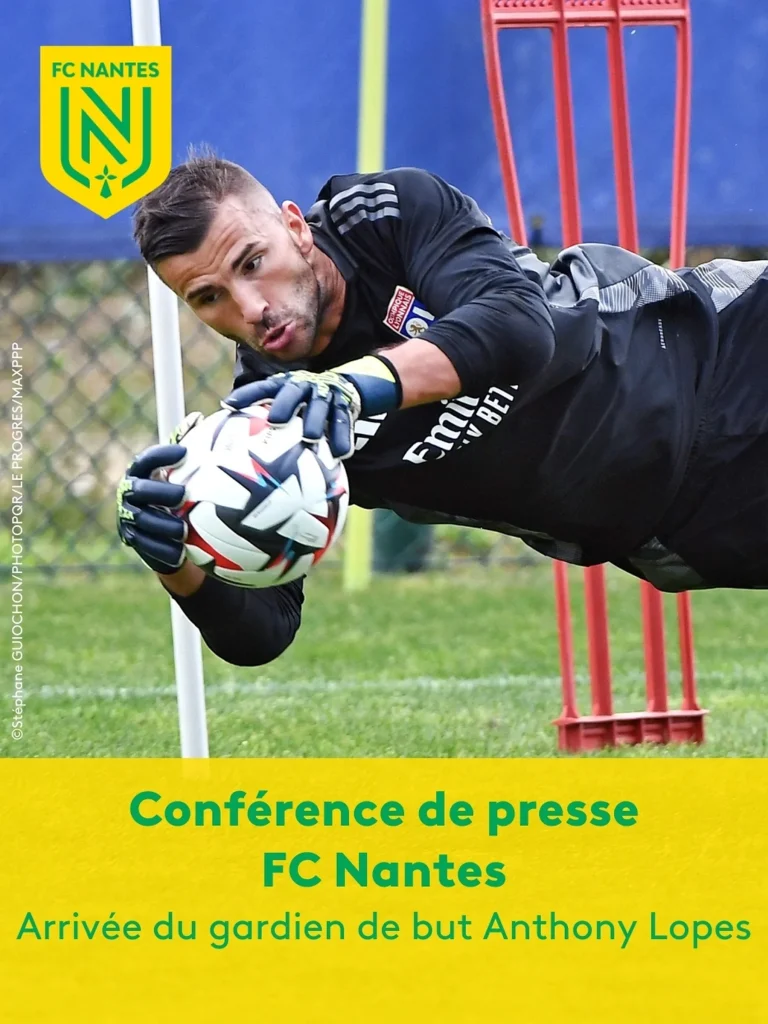
Anthony Lopes, Nantes’ experienced goalkeeper, addressed the contentious decision at halftime, emphasizing the need for his team to maintain focus and accept the referee’s call. Since his arrival from OL roughly a year ago, Lopes has consistently demonstrated resilience and leadership amidst heated moments, especially under scrutiny from opposing fans. His composed reaction reflects not only his seasoned perspective but also the ongoing challenges faced by Nantes in a season marked by defensive instability.
Anthony Lopes’ Perspective on the Disallowed Goal and Match Dynamics at FC Nantes
The disallowed goal early in the fixture against Marseille was a key moment that tested the resolve of FC Nantes and its goalkeeper, Anthony Lopes. Known for his remarkable experience in Ligue 1, Lopes approached the goal controversy with professionalism. His comments on the matter—acknowledging the referee’s decision while urging his teammates to stay concentrated—highlight a pragmatic attitude crucial for navigating soccer disputes during high-stakes football matches.
This incident exemplifies how refereeing decisions, especially involving offside calls confirmed via video assistant referee technology, continue to play a pivotal role in shaping the outcomes of today’s games. For Lopes, such moments require mental strength and leadership from a goalkeeper to sustain the team’s performance in tight encounters where every play is scrutinized.
In-Game Analysis of the Goalkeeper’s Reaction and Team Resilience
Anthony Lopes’ reaction to the referee decision following the disallowed goal was measured and calm, embodying the qualities expected from a goalkeeper of his caliber. Instead of dwelling on the frustration that such a call can generate, Lopes stressed the importance of collective focus. His approach serves as a blueprint for how players can manage unexpected setbacks during crucial phases of a soccer dispute.
From a tactical perspective, Nantes has struggled defensively this season, and integrating Lopes was aimed to stabilize an often shaky backline. Despite the setback of the disallowed goal, his presence between the posts continues to be a source of confidence for the team, helping them address defensive frailties. The goalkeeper’s leadership during moments of controversy anchors the team’s resilience throughout the campaign.
Examining the Role of Video Assistant Referee in the Goal Decision
The controversy surrounding the disallowed goal involved a critical offside call and the intervention of the video assistant referee, highlighting the evolving role of technology in contemporary football matches. The referee’s consultation of VAR reflects an increased reliance on precise decision-making tools to adjudicate fine margins, especially in situations where player contact and positioning are ambiguous.
Such referee decisions often lead to debates among fans and analysts alike, as they directly impact match momentum and results. For Anthony Lopes and FC Nantes, the incident underscores the broader challenges faced by teams navigating modern soccer disputes. The need to adapt rapidly to referee decisions and maintain focus is paramount in Ligue 1’s competitive environment.