
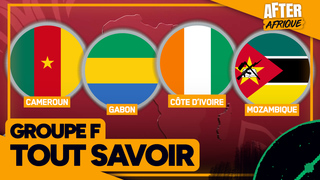
CAN 2025 started with a gripping encounter as Cameroon, the five-time African champions, opened their campaign with a narrow but crucial victory over Gabon. In a match that tested nerves and strategy alike, the Indomitable Lions managed to secure a 1-0 win thanks to an early strike from Karl Etta Eyong, setting a positive tone for their tournament journey.
Despite a turbulent preparation period—marked by the unexpected departure of coach Marc Brys and the arrival of David Pagou, accompanied by confusion over the final squad composition—Cameroon demonstrated resilience and depth. Their opponent, Gabon, missing stars like Aubameyang and Lemina on the pitch initially, put up a fierce fight but ultimately could not break through Cameroon’s defenses.
En bref :
- Cameroon claimed a 1-0 victory over Gabon in their opening African Cup match at the 2025 CAN.
- Karl Etta Eyong scored early, showcasing Cameroon’s attacking intent despite off-field distractions.
- Coach Thierry Mouyouma’s substitution of superstars Aubameyang and Lemina attempted to shift Gabon’s fortunes but failed to produce an equaliser.
- The match highlighted Cameroon’s effective transitions, anchored by Manchester United forward Bryan Mbeumo’s influential presence.
- The victory boosts Cameroon’s tournament prospects, while Gabon must regroup for crucial upcoming clashes.
Cameroon’s Determined Kickoff Sets the Tone for CAN 2025
Opening the Group F fixtures, the tension at Stade Adrar in Agadir was palpable, with both Cameroon and Gabon eager to claim early dominance in a fiercely competitive group. Despite considerable internal upheaval—including managerial changes and squad controversies that threatened to unsettle the team—Cameroon’s performance proved their ability to rise above distractions. The match’s decisive moment arrived swiftly when Spain-based striker Karl Etta Eyong, capitalizing on a clever pass from Bryan Mbeumo, found the net in the 6th minute, slipping the ball deftly between the legs of the Gabonese goalkeeper.
This early goal offered the Indomitable Lions a valuable cushion, enabling them to dictate aspects of the game while managing their energy and focus. Their capacity to endure pressure and maintain control through quick transitions revealed the squad’s underlying strength and cohesion at a critical early stage.

A Gabonese Response Fails to Shift the Momentum
Gabon’s coach Thierry Mouyouma demonstrated urgency after a shaky start, rushing to inject his key players — Aubameyang and Lemina — back into the fray barely half an hour into the game. Their entrance momentarily unsettled Cameroon’s rhythm, and their presence amplified Gabon’s threat, especially as Aubameyang’s pace and Lemina’s creativity began to fuel dangerous counterattacks.
Nevertheless, individual moments of brilliance were marred by missed opportunities, such as Bouanga’s failure to convert a one-on-one chance after outmaneuvering the defense, epitomizing Gabon’s struggles to convert pressure into goals. Cameroon’s defensive discipline and tactical organization ensured stability, repelling advances and thwarting equalizing efforts despite Gabon’s growing intensity.
The match emphasized the fine margins within tournament football: a single goal, the timing of substitutions, and moments of composure under pressure distinguished the eventual winners. Cameroun’s tactical adaptability, coming in the wake of recent internal upheavals, underscored their depth and experience in high-stakes settings.
Looking Ahead: What This Win Means for Cameroon and Gabon
Securing three points at the onset, Cameroon’s victory has not only boosted morale but also positioned them favorably to contend for a spot in the quarter-finals. The Indomitable Lions now face the challenge of maintaining momentum amid ongoing pressure and expectations to reclaim their dominance in African football. Their early success suggests a potential resurgence, provided they can navigate remaining group matches effectively.
For Gabon, the defeat is a setback that necessitates swift recalibration. With key fixtures looming against Mozambique and a potential showdown against Côte d’Ivoire, their path to qualification demands resilience and refined execution. Their talent pool—though hampered by occasional lapses in decision-making on the pitch—remains formidable and capable of turning fortunes around if optimally harnessed.
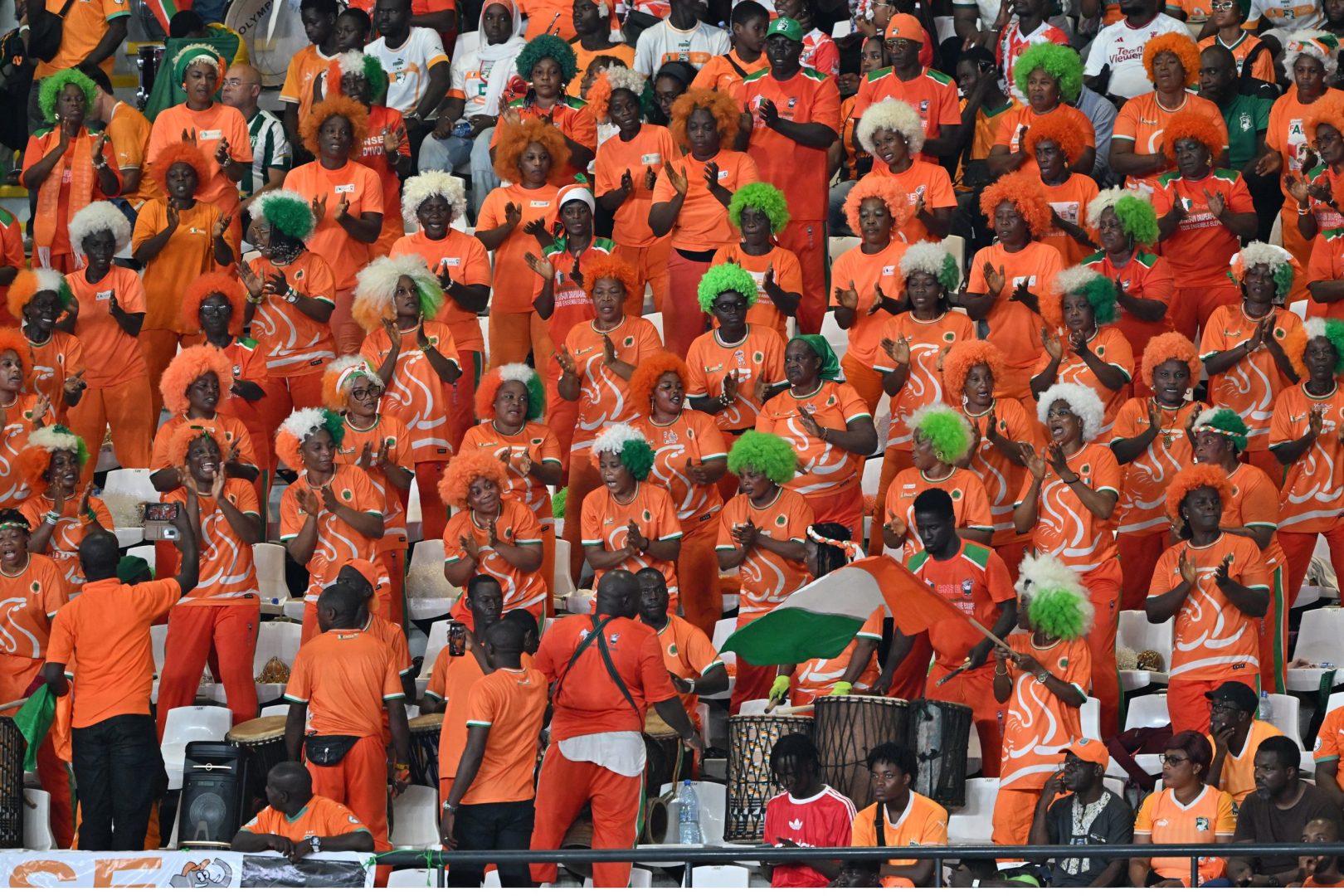
Fans and analysts alike will be watching closely as both teams progress, with Cameroon’s ability to build on this victory critical to their tournament hopes. The dynamics in CAN 2025 continue to captivate, weaving narratives of challenge and triumph in a contest that defines African football’s competitive landscape.