
The French Football Federation is currently reshaping its approach to the successor selection of Didier Deschamps, marking a pivotal moment in football management and team leadership decisions. As the 2026 World Cup approaches, scheduled to be held across the US, Canada, and Mexico, the Federation is determined to ensure a seamless transition that preserves the national team’s focus and performance. The ongoing dialogue around this change reflects not only on Deschamps’ distinguished tenure but also on the evolving dynamics of managerial changes in French football.
Initially, the Federation weighed two potential timelines for announcing the new head coach: an early appointment in spring or a post-World Cup decision. However, recent statements by Philippe Diallo, president of the FFF, have clarified the strategy revision, favoring a calm and measured approach, emphasizing that any decision would come after the World Cup to avoid disrupting the team’s preparation. This approach underscores the Federation’s commitment to maintaining stability and prioritizing football strategy over haste.
Meanwhile, speculation continues to center on prominent figures such as Zinedine Zidane, widely regarded as the favorite to step into the coaching role. Zidane’s potential appointment symbolizes more than just a change in personnel—it represents a strategic vision aimed at leveraging his deep understanding of the national team’s ethos and the demanding requirements of international play. For more on Zidane’s evolving role in football management, see recent analyses on Zidane’s future in coaching.
Strategic Timing and Its Impact on National Team Preparation
The decision to postpone the announcement of Didier Deschamps’ successor until after the 2026 World Cup reflects a strategic prioritization of the national team’s performance. Philippe Diallo has expressed that the Federation’s intent is to maintain serenity around the team’s preparation for the tournament.
This managing of transitions also aligns with broader trends in football management, where minimizing distractions during major competitions is key. By safeguarding the team’s focus, the Federation aims to ensure that the spotlight remains on on-field success rather than off-field speculation. Such an approach can be traced to lessons learned in past instances of coaching changes, where premature announcements sometimes undermined team cohesion.
The Role of Leadership Stability in Football Strategy
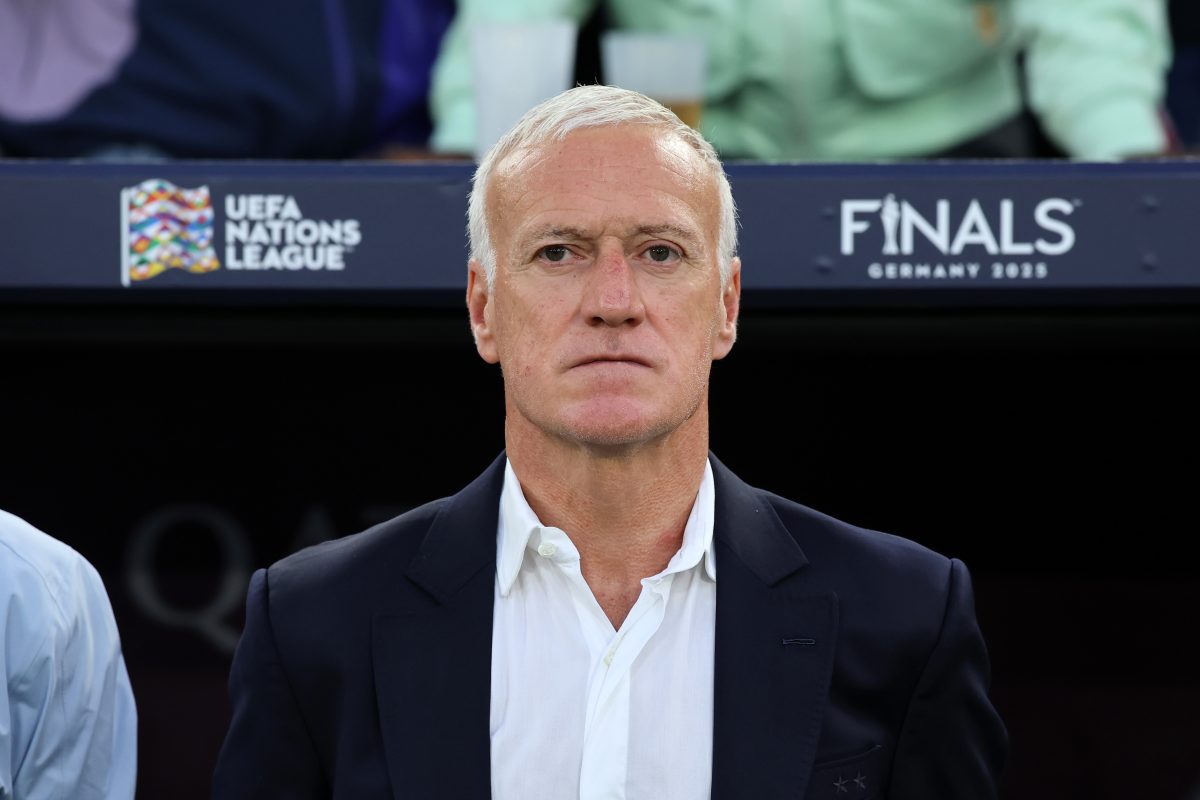
Leadership continuity is central to the Federation’s approach. Didier Deschamps’ 14-year tenure has been marked by both success and stability, which the FFF seeks to preserve during the transition. Managing a national team through a global competition demands not only tactical acumen but also psychological steadiness—qualities that the Federation wants to maintain through a well-timed coach appointment.
Given the high-profile nature of this transition, it is expected that the eventual announcement will be carefully orchestrated to allow the new manager sufficient time to integrate within the team dynamics fully. This highlights the Federation’s understanding of the complexity involved in coach appointment and the weight of football strategy decisions.
Potential Candidates and Football Management Dynamics
While speculation about the successor is rife, one name dominating discussions is Zinedine Zidane. His proximity to the national team’s culture and his experience managing at the highest levels make him a strong contender. This potential appointment would sustain the national team’s ethos while possibly injecting new tactical ideas and motivational techniques.
Further insights into the evolving landscape of French football management and coaching prospects can be explored in detailed profiles such as those outlined in the coverage of football leadership trends and international coaching demands.
Football Management: Balancing Tradition and Innovation
The challenge for the French Football Federation is to balance respect for Deschamps’ legacy with the necessity to innovate. The successor’s role involves not only maintaining past achievements but also navigating the evolving tactical and psychological demands of modern football. This interplay between tradition and innovation shapes the Federation’s refined strategy for selecting the next national team manager.
Moreover, the iterative nature of such selections means the Federation also weighs external pressures and expectations while safeguarding the integrity and performance of the squad. This is a delicate act of management that will undoubtedly influence the trajectory of French football in the coming years.
Managing the Transition Post-2026 World Cup
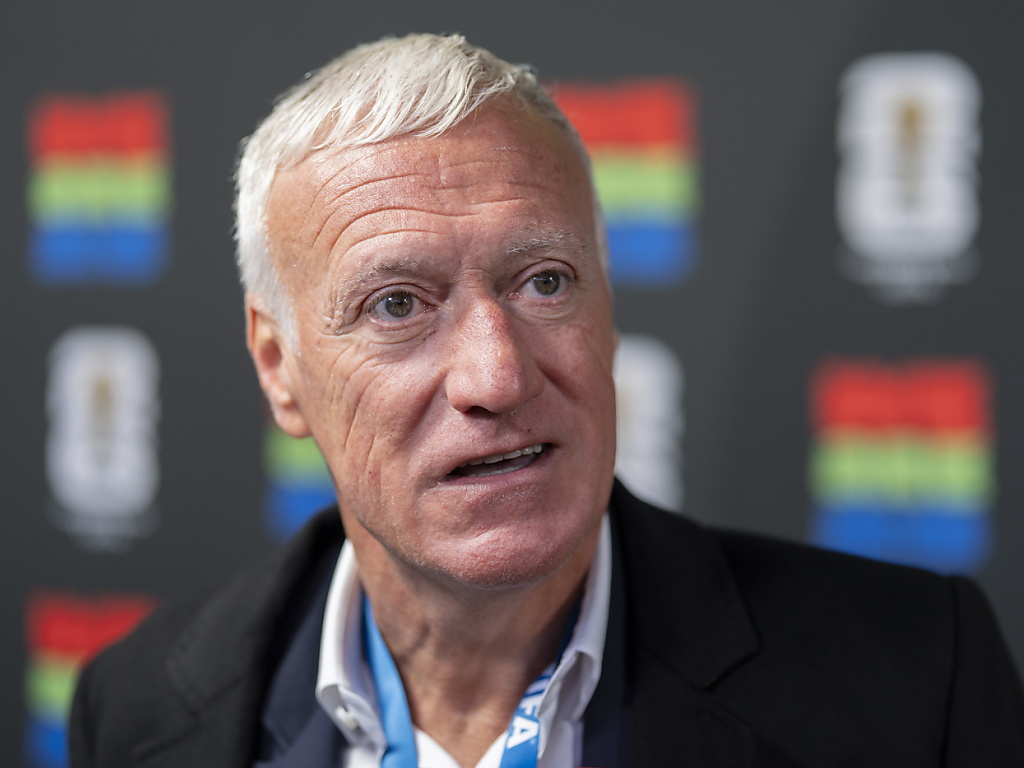
Philippe Diallo’s comments during the 2025 Winter Assembly indicate a clear preference for a post-World Cup transition phase. This timeline guarantees that the team’s focus remains undistracted in the run-up to the tournament, while also providing a dedicated window to introduce the new managerial changes.
The Football Federation’s tactical patience contrasts with some hasty appointments seen in international football, reflecting their commitment to excellence and long-term planning. This period of calm after the World Cup will also be crucial for allowing the new manager to develop a robust team strategy reflecting both the current state and future ambitions of French football.
Implications for Future Football Strategy and Team Leadership
This strategic patience bodes well for the national team’s prospects, allowing the next coach to establish a fresh vision without the pressures of immediate expectations. The Federation’s revised approach directly addresses the complexities of leadership transition in elite sports, emphasizing respect for the current manager’s legacy and the necessity of planning for sustained success.
As the world closely watches, the French Football Federation’s handling of this successor selection process may serve as a blueprint for other national teams facing similar managerial changes. For more on how succession strategies impact football globally, readers can explore related content such as stories on the career journeys of emerging players in international competitions, like the insightful analysis on a Brazilian D6 player in Cameroon.