
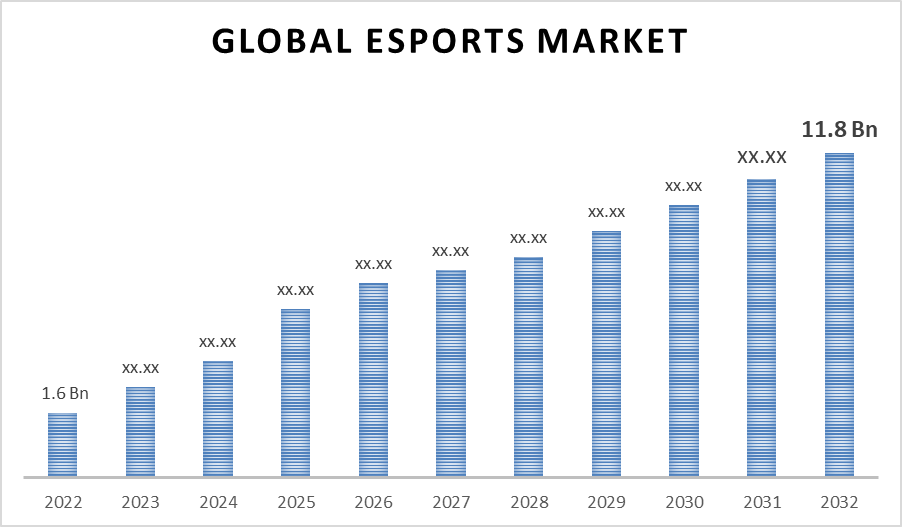
The explosion of esports betting is reshaping the global landscape of gaming and sports betting alike. As millions of fans follow competitions of titles like League of Legends, Counter-Strike 2, and Dota 2, a parallel surge in wagering activity transforms casual viewership into an interactive, dynamic experience. Fueled by a youthful, tech-savvy audience raised in the digital era, esports betting is no longer a fringe interest but a major facet of the billion-dollar industry. Platforms such as Betway, Pinnacle, and Rivalry are pioneering this integration, delivering innovative betting formats that capitalize on esports’ unique pace and engagement model. The fusion with cryptocurrency, real-time AI-driven odds, and around-the-clock tournament schedules ensures that esports bettors enjoy a fast, flexible environment adapted to the always-online generation of gamers. However, this rapid growth also requires navigating regulatory challenges, protecting vulnerable users, and preserving competitive integrity, making the future of esports betting as complex as it is promising.
In brief:
Esports betting has evolved from a niche pastime to a booming global market driven by blockbuster games like League of Legends and Counter-Strike 2.
The audience growth has surpassed 500 million viewers worldwide, with wagering volumes expected to exceed $20 billion by 2027.
Integration by traditional sports bookmakers such as Bet365 and gaming-specific platforms like Loot.bet expands accessibility and market reach.
Technological innovations, including AI-powered live odds and crypto payments, enhance user engagement and transaction speed.
Regulatory complexities and integrity issues require concerted efforts from stakeholders, including partnerships like Pinnacle’s with the eSports Integrity Commission.
How Esports Betting is Revolutionizing the Global Betting Industry
The marriage of esports and betting is pioneering a fresh frontier where traditional sports betting conventions meet the digital playfulness of video gaming. Unlike conventional sports, esports betting thrives on micro-events within tournaments, allowing wagers on granular outcomes such as which team secures the first kill or the winner of a single round. This microbetting approach, championed by sportsbooks like Unikrn and Buff.bet, mirrors the instantaneous, interactive nature of streaming platforms like Twitch and YouTube Gaming, where fans are used to real-time engagement.
The uniqueness of esports lies in its 24/7 global schedule, with matches and tournaments happening nonstop across continents. This “always-on” nature means bettors can access markets anytime, anywhere—a stark contrast to traditional sports’ often seasonal limitations. The resulting ecosystem fuels continuous action, attracting a predominantly young demographic deeply rooted in digital culture, driving high-volume bets that exceed averages seen in conventional sports.Choosing the right online bookmaker specializing in esports can significantly enhance this experience through tailor-made features and competitive odds.

Leading Titles and Their Dominance in Esports Betting
Among a vast sea of competitive games, certain titles dominate the esports betting realm due to their established competitive structures and massive fan bases. League of Legends, Dota 2, and Counter-Strike 2 regularly top the charts, driving immense betting activity thanks to events like The International and LoL Worlds. Their combination of strategic depth and live streaming accessibility creates perfect conditions for betting platforms like GG.BET and DraftKings to thrive.
Evolving newer titles like VALORANT and Mobile Legends: Bang Bang also increasingly command attention, adding fresh markets and enticing younger bettors. Betting companies continually innovate with game-specific bets, from total kills to MVP selections, appealing to a demographic that craves fast, immersive experiences. This innovation not only boosts betting volume but also heightens fan immersion, turning spectators into active participants.
Factors Driving the Accelerated Growth of Esports Betting
The meteoric rise of esports betting is underpinned by multiple converging factors. Primarily, the explosion of esports itself as a mainstream entertainment phenomenon has opened fertile ground for betting markets. The global esports audience surpassed 500 million in 2024 and is expected to reach 600 million, thereby quadrupling exposure compared to only a decade ago.
Traditional betting giants like Bet365 have begun integrating esports spreads and markets into their platforms, signaling institutional validation and broadening access beyond niche audiences. Meanwhile, esports-specialized sportsbooks such as Rivalry and Buff.bet offer a deeper, more nuanced array of options that resonate with fans’ intimate knowledge of games.
Equally significant is the generational shift: millennials and Gen-Z bettors who grew up immersed in digital gaming find esports betting a natural extension of their interests. They bet significantly larger stakes than typical sports gamblers, often leveraging mobile-first platforms and cryptocurrencies like Bitcoin to enjoy rapid transactions and secure, borderless betting environments.Discover effective sports betting strategies that further enhance their wagering success.
Adapting Betting Platforms to a Digital Native Audience
The demand for speed, accessibility, and engagement from esports bettors has catalyzed remarkable technological innovation in the industry. Artificial intelligence now powers bespoke real-time odds generation, ensuring betting lines evolve in sync with fast-paced gameplay. Platforms such as Betway harness these tools to deepen user involvement, while blockchain solutions adopted by sites like Loot.bet simplify deposits and withdrawals, preserving anonymity and breaking down geographic barriers.
Moreover, the emergence of immersive technologies foreshadows deeper integration—think augmented reality overlays combined with live stats for in-game betting or instant betting embedded directly into Twitch streams. These advances promise to transform betting from a passive prediction activity into a fully interactive extension of the esports viewing experience, keeping fans engaged round the clock.