

Understanding how global betting regulations evolve and interact is crucial for every stakeholder in the gambling industry, from operators like Bet365 and William Hill to individual bettors navigating their local laws. The complex mosaic of rules designed to protect consumers, uphold fair play, and curb illegal activities varies drastically from one region to another, shaped by cultural, economic, and technological forces. In 2025, with online platforms and international sports wagering gaining unprecedented popularity, the demand for clarity and adaptability in regulatory compliance is higher than ever. As countries fine-tune their approaches — balancing liberalization efforts with stringent consumer safeguards — the global betting marketplace demands sophisticated strategies for both market entry and ongoing operation.
Emerging technologies such as blockchain and sophisticated AI compliance tools are reshaping how operators like DraftKings and Unibet respond to these challenges, ensuring transparency and responsible gambling practices globally. Additionally, understanding regional favorites—from the NFL’s dominance in the US to soccer’s pervasive reach internationally—permits tailored service offerings to sustain competitive advantage. By integrating a nuanced comprehension of legal frameworks with advanced data feeds from trusted partners, betting services can confidently adapt their models to both regulatory demands and consumer preferences worldwide.
In brief:
– Global betting laws are highly diverse, requiring local expertise for compliance.
– Online gambling regulation is a rapidly evolving field, with an emphasis on consumer protection and anti-money laundering.
– Regional sports preferences and cultural attitudes heavily influence regulatory strategies.
– Technological innovation, especially data analytics and AI, plays an increasing role in managing compliance.
– Collaboration with established providers like Betfair ensures access to the best odds and industry insights.
Global Landscape of Betting Laws: Essential Insights into International Compliance
Betting regulations worldwide paint a diverse picture shaped by each country’s unique social, economic, and cultural backdrop. In North America, for example, states individually govern sports betting—with more than 36 states currently permitting retail sports wagering and 30 allowing online bets. Notably, Nevada stands out with its broad allowance across betting types, while a state like New York restricts wagers to in-state collegiate sports. Such decentralization demands that operators like Pinnacle precisely maneuver state-specific legislation to ensure lawful operations.
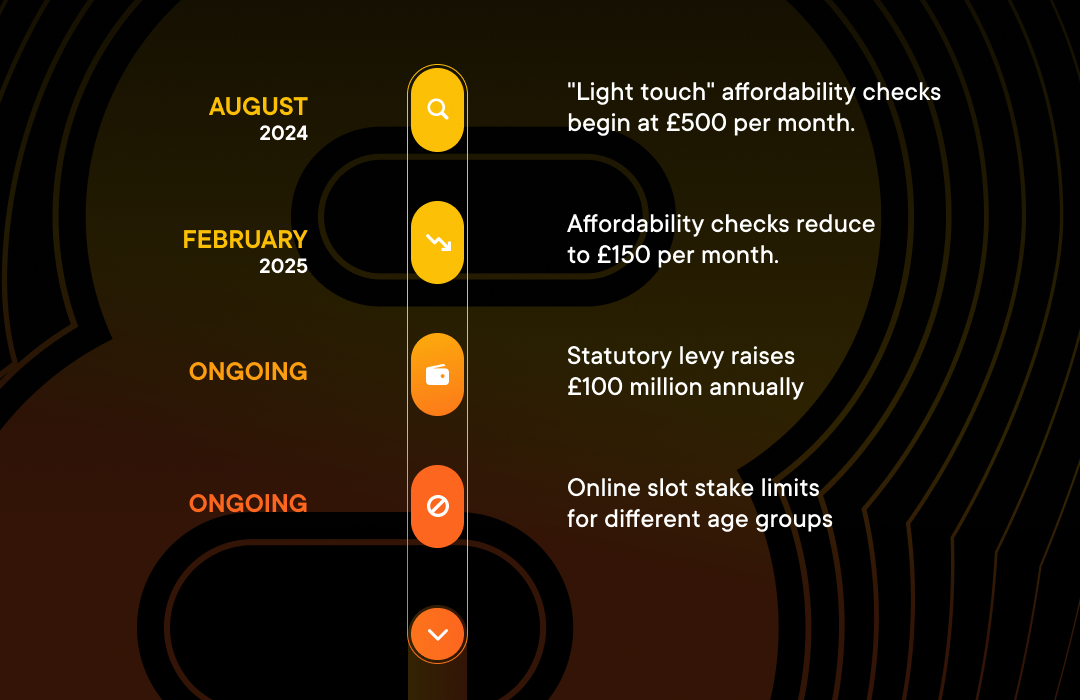
Europe, meanwhile, offers a contrasted model with its somewhat more harmonized regulation across member states, yet still retaining country-specific nuances. The UK’s robust licensing system encourages transparency and player protection, a model embraced by numerous sportsbooks such as Ladbrokes and Betway. Conversely, countries like Germany are phasing toward unified gambling treaties while maintaining local regulatory autonomy, highlighting the mixed pace of integration in the region.
Adapting Strategies to Diverse Regulatory Models
In Asia’s regulatory patchwork, the situation grows more complex, oscillating between outright bans like China’s with limited exceptions such as Macau, to emerging legalization efforts in Japan focusing on integrated resorts. Australia, in contrast, blends federal oversight with regional autonomy, emphasizing responsible gambling and strict pre-match betting protocols.
To succeed globally, betting platforms must tailor their operational, marketing, and compliance measures to this array of regulations. For instance, understanding that sports like rugby dominate Australian bettors’ interests compared to the NBA’s popularity in the US helps operators expand effectively. Furthermore, adjusting odds and sports data feeds to regional preferences ensures an engaging user experience, essential for retention and market growth.
Leveraging Technology and Partnerships to Navigate Regulatory Complexity
Technology now acts as the backbone for managing regulatory compliance and consumer trust. Operators increasingly employ AI-driven monitoring tools for enforcing responsible gambling like self-exclusion programs and deposit limits, addressing evolving mandates effectively. The intersection of blockchain and betting offers novel opportunities for transparent and tamper-proof transactions, appealing to regulatory bodies keen on curbing fraud and money laundering.
Alliances with reputable data and betting service providers enhance these capabilities. Collaborating with industry leaders guarantees access to authoritative sports data and expert odds analysis necessary for tailored betting experiences compliant with regional laws. Platforms such as FanDuel and Unibet continue setting standards by integrating sophisticated compliance systems along with expansive sports offerings catering to diverse consumer bases.

Strategic Compliance: Case Examples from Leading Operators
Consider the US Supreme Court’s 2018 decision to legalize sports betting across states, which instigated a boom for operators including DraftKings and FanDuel. They adapted quickly, implementing complex state-by-state compliance structures to capitalize on the expanding market. Similarly, European giants such as Bet365 and Ladbrokes continuously refine their offerings in reaction to evolving EU directives and national regulations, demonstrating agility in a fast-paced industry.
Effective compliance is a competitive advantage, especially when paired with localized offerings aligned to market preferences. From adjusting sports coverages to regional favorites to adhering to high licensing fees and tax obligations—as seen in Pennsylvania or the Netherlands—successful operators stay ahead by combining legal expertise with data-driven decision-making.