
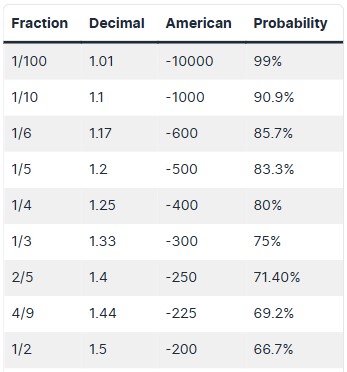
In the evolving landscape of sports betting, comprehending the nuances of odds presentation is no longer a mere advantage but a necessity for every serious bettor. As markets diversify with platforms like Bet365, William Hill, and Paddy Power rising to prominence, the way odds are displayed can profoundly impact betting strategies and potential returns. Whether you are chasing the thrill of Premier League clashes, exploring unique markets in basketball or rugby, or diversifying with alternative sports betting, parsing the distinctions between fractional and decimal odds—and knowing when to employ each—can be the crucial difference between a calculated win and an overlooked opportunity. This deep dive unpacks these odds formats, illustrating their use within the context of today’s dynamic betting environment, bustling exchanges like Betfair, and savvy bettors who leverage betting line movements and market trends to outsmart bookmakers.
Betting odds are much more than numbers; they encapsulate probabilities, hint at underlying risks, and reflect the bookmaker’s margin, known as the vigorish or “juice.” In 2025, where technology propels betting apps like Sky Bet, Ladbrokes, and Unibet into every smartphone, understanding these odds is an indispensable skill. Moreover, grasping the house edge and the vital difference it holds compared to the Return to Player (RTP) sharpens your awareness about the bookmaker’s built-in advantage. As the betting industry continues to innovate with features like in-play markets and cash-out options, a solid foundation in how fractional and decimal odds function streamlines your wagering decisions and ensures that you maximize value, whether staking on a single market or building accumulators.
Mastering the Language of Sports Betting Odds: Fractional vs. Decimal
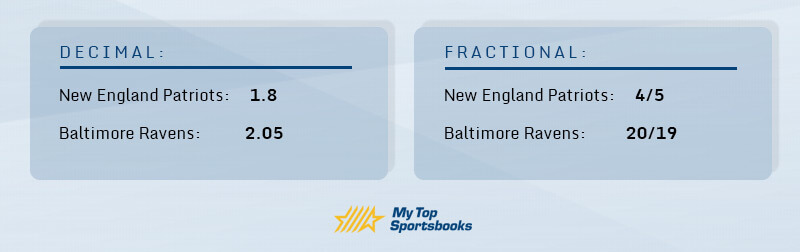
For much of the UK betting community, fractional odds remain the gold standard, prominently featured in traditional shops and most online platforms. These odds manifest as a ratio—say 5/1—that explicitly states the profit you stand to gain relative to your stake. Betting £1 at 5/1 yields a £5 profit, culminating in a £6 total return once your original stake is included. This clarity translates into confidence for bettors accustomed to this format, whether they place their wagers via Coral or Betway.
In contrast, decimal odds—favored across Europe and supported by betting exchanges such as Betfair—offer a streamlined perspective by presenting the total potential payout rather than just the profit margin. A decimal odd of 3.50 means a £1 bet returns £3.50 in total (stake plus winnings). This format readily simplifies calculating returns, particularly useful in formats like accumulators or live betting scenarios
.
How Fractional Odds Reflect Betting Value
Understanding fractional odds extends beyond mere numbers; it involves interpreting value. When a bookmaker lists odds at 5/1, the implied probability is roughly 16.67%, calculated using the formula Probability = Denominator / (Numerator + Denominator). Recognizing this, bettors can discern whether the bookmaker’s odds overvalue or undervalue an event relative to independent predictions. Engaging with this knowledge enhances your ability to spot value bets—a cornerstone tactic discussed in comprehensive guides on value betting opportunities.
Moreover, fractional odds’ familiarity perfectly suits markets with complex dynamics, such as football accumulators popular on platforms like Paddy Power or Sky Bet, where stake and profit alignment is paramount. The fractional format also plays a crucial role when evaluating the risks and potential gains within betting syndicates, an essential strategy explored in-depth on betting syndicates guide.
Decimal Odds and Their Practical Edge in Modern Betting
Decimal odds provide immediate clarity by stating the entire return on a wager, streamlining the decision-making process especially for novice bettors or those utilizing mobile apps. For example, a £10 bet at decimal odds of 3.5 brings a total of £35, facilitating quick mental calculations without additional conversions.
This format’s simplicity extends to real-time betting environments, including live markets where timing and swift judgment count. Sports like basketball and rugby, using dynamic odds updates on platforms such as live vs prematch betting, greatly benefit from decimal presentations that accentuate transparency and ease of interpretation. Additionally, the integration of data analytics into betting strategies on betting exchanges like Betfair further underscores the utility of decimal odds for analytical bettors.
The Subtle Art of Navigating Between Odds Formats
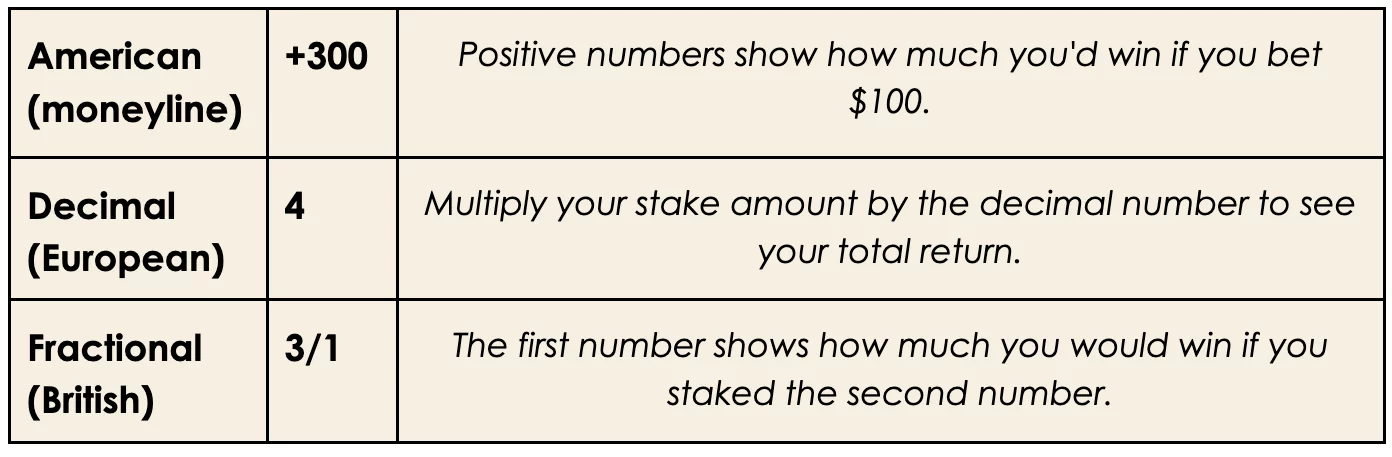
Despite the geographic preferences for odds formats—fractional in the UK and decimal in continental Europe and on exchanges—the savvy bettor recognizes the fluidity and can seamlessly traverse between them. Online betting calculators hosted by companies like Paddy Power illuminate these conversions, helping bettors convert decimal odds to fractional and even to American moneyline odds, opening access to global markets and comparative strategies.
Crucially, mastering these formats complements your awareness of bookmaker market nuances like the vigorish, the bookmaker’s margin. Understanding how vigorish shapes odds allows you to identify when a sportsbook might be overextending on odds movement or liquidity, a strategic insight vital to avoiding unfavorable betting situations as detailed in betting line movements.
Emphasizing this tactic, exploring the psychology behind betting decisions prevents emotional pitfalls, enabling a disciplined approach to betting where odds presentation is a tactical tool rather than a mystifying barrier. For those curious about enhancing their betting acumen, resources like sports betting psychology provide actionable counsel on mindset and decision-making.